To Ensure Accuracy and Uniformity in THR Demand Planning Across 1.1 Lakh AWCs
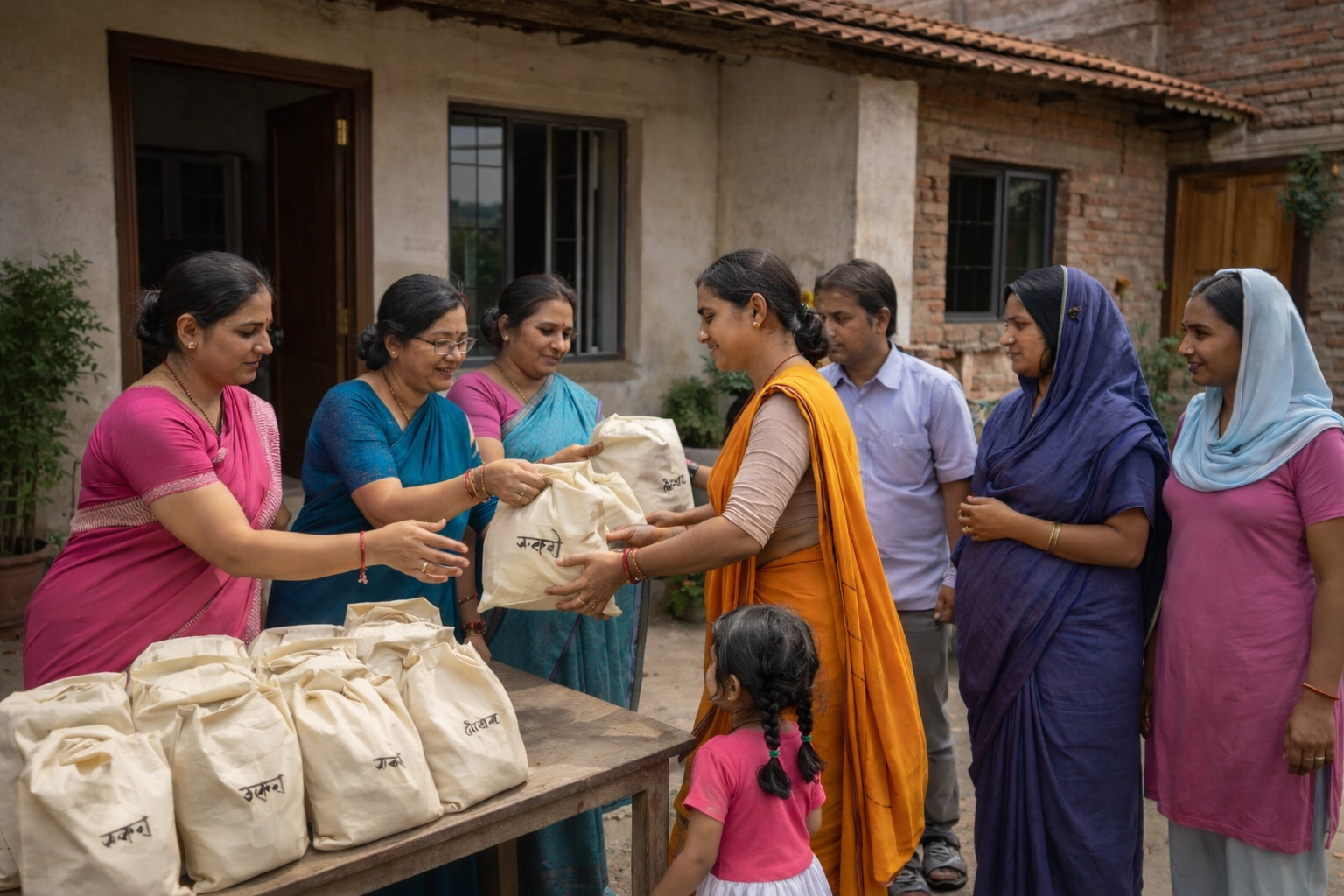
THR demand was traditionally generated manually by each Anganwadi worker. This process relied on handwritten beneficiary lists and monthly counts, which often changed due to shifting enrollments or seasonal migration. As a result, the demand for THR packets frequently differed from actual requirements. Overestimation led to excess stock, misallocation, and wastage, while underestimation caused shortages and disrupted nutrition support for vulnerable families. Given the program’s vast coverage—spanning urban slums, rural belts, and remote tribal hamlets—the lack of a standardized demand planning mechanism created significant inconsistencies across districts. A digital approach was necessary to ensure that every Anganwadi Centre received accurate, real-time, and beneficiary-linked quantities of THR, eliminating guesswork and ensuring smooth supply chain operations statewide.
To Detect and Prevent Delays, Leakages, and Disruptions in the Supply Chain
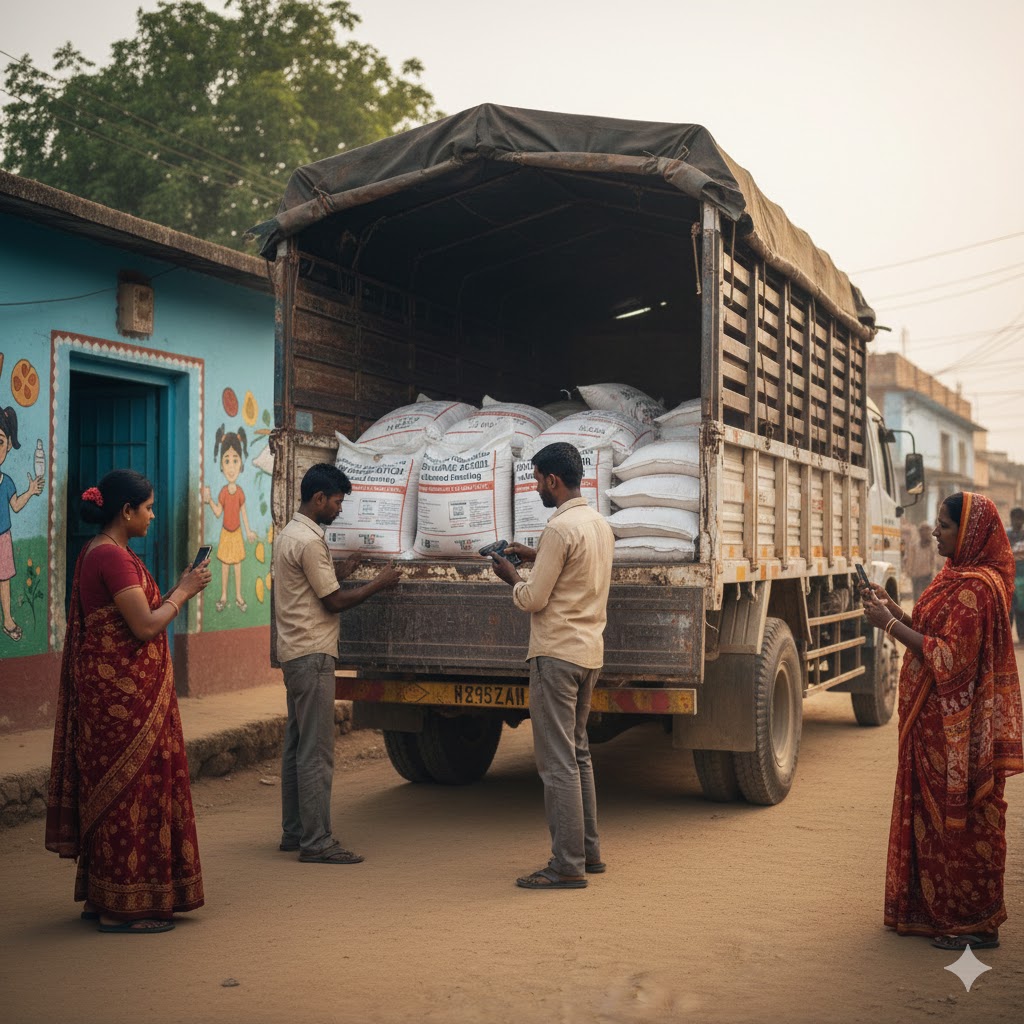
Once THR packets left manufacturing units or godowns, there was virtually no system to track their movement until they reached the Anganwadi Centre. Delivery timelines varied widely, and delays often went unnoticed until much later. In many areas, packets arrived without any documented proof—making it difficult to verify whether deliveries happened on time, in full, or according to agreed schedules. The absence of digital traceability also made it challenging for district and state authorities to assess vendor performance or identify delivery failures. Without end-to-end visibility into dispatch, transit, and receipt of THR, the supply chain remained vulnerable to operational gaps and potential leakages. Reform was essential to bring real-time monitoring, transparency, and full traceability into the system.
To Strengthen Quality Assurance and Ensure Safe, Standardized Nutrition Packets

Quality of THR packets is crucial because they are consumed by pregnant women, nursing mothers, and young children. However, before digitization, there was no uniform mechanism to validate packet condition at the delivery point. Physical registers captured quantity—but not quality. Damaged, spoiled, or leaking packets could not be flagged immediately, nor could this information be escalated with reliable evidence. Field staff lacked tools to document quality issues systematically, and supervisors had no visibility into the actual condition of packets distributed in the last mile. Ensuring consistent quality across lakhs of packets required a verifiable, time-stamped, photographic quality assurance mechanism—something only a digital system could offer.
To Reduce the Heavy Administrative Burden on Field Workers

Anganwadi workers and supervisors spent a significant amount of time on manual entries, paper-based acknowledgments, repetitive reporting, and cross-checking stock records. This administrative workload not only slowed down processes but also diverted their attention from crucial responsibilities like counselling mothers, monitoring child growth, and conducting home visits. A large-scale program like THR needed a system that minimized paperwork, automated routine tasks, and empowered field workers with simple tools—allowing them to focus more on service delivery than documentation.
To Improve Oversight, Accountability, and Data-Driven Decision Making
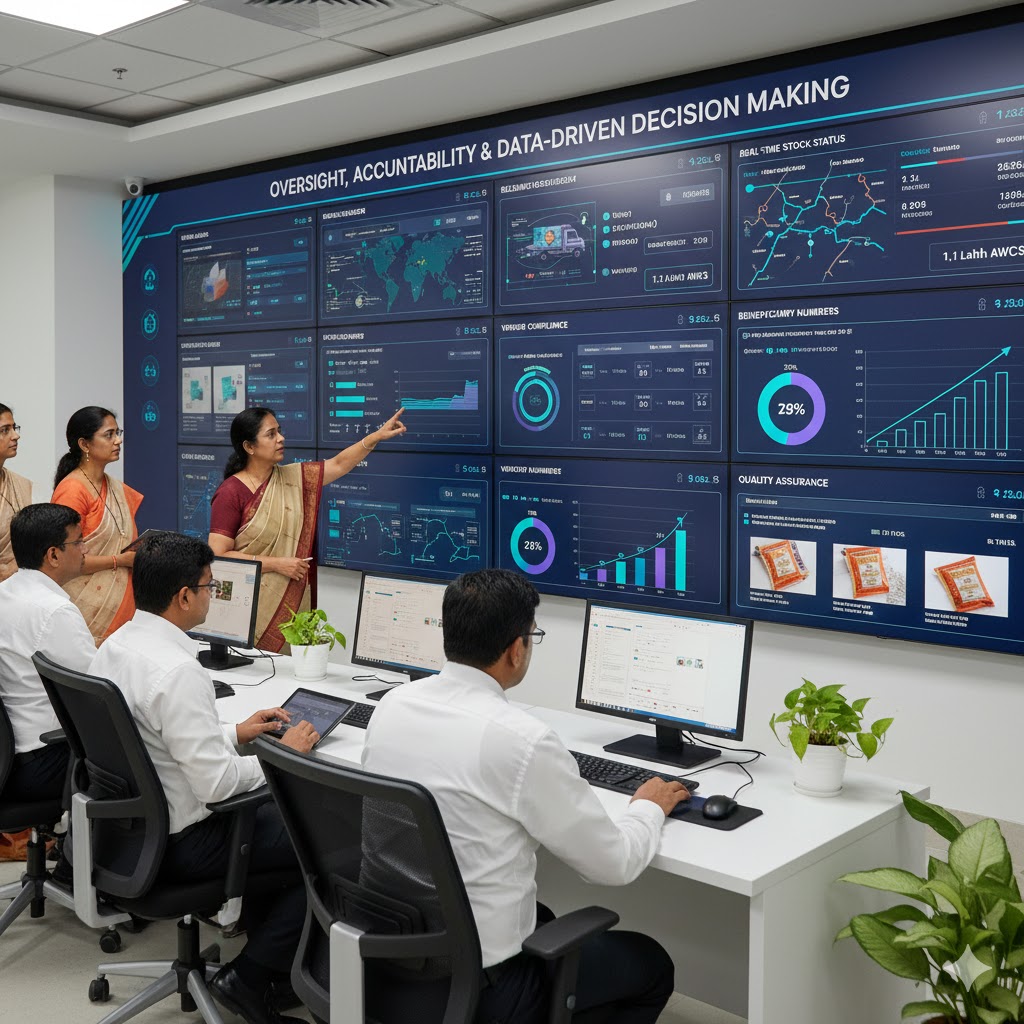
Before digital reform, district officers had limited visibility into real-time stock status, pending deliveries, delayed dispatches, or vendor compliance. Monitoring was dependent on physical reports that often arrived late, were filled manually, and lacked standardization. Decision-making was therefore reactive rather than proactive. As beneficiary numbers continued to rise, it became clear that without a centralized digital dashboard, the state could not monitor supply chain performance effectively or intervene quickly during disruptions. A modern, technology-driven monitoring framework was essential to improve oversight, strengthen accountability, and enhance governance outcomes at every administrative level.

Creating the Digital Vision

Designing the System Blueprint

Executing the Digital Rollout
Reimagining the THR Supply Chain Through a Unified Digital Vision
The ideation phase began with a thorough assessment of the existing THR distribution process across Maharashtra. Field visits, consultations, and workflow mapping exercises were conducted with Anganwadi workers, Supervisors, CDPOs, DPOs, and supply vendors. These discussions highlighted critical system gaps—manual demand estimation, inconsistent supply tracking, lack of quality checks, and limited monitoring capacity. It became clear that the program’s fundamental challenge was not operational effort but the absence of a centralized, technology-driven supply chain framework.
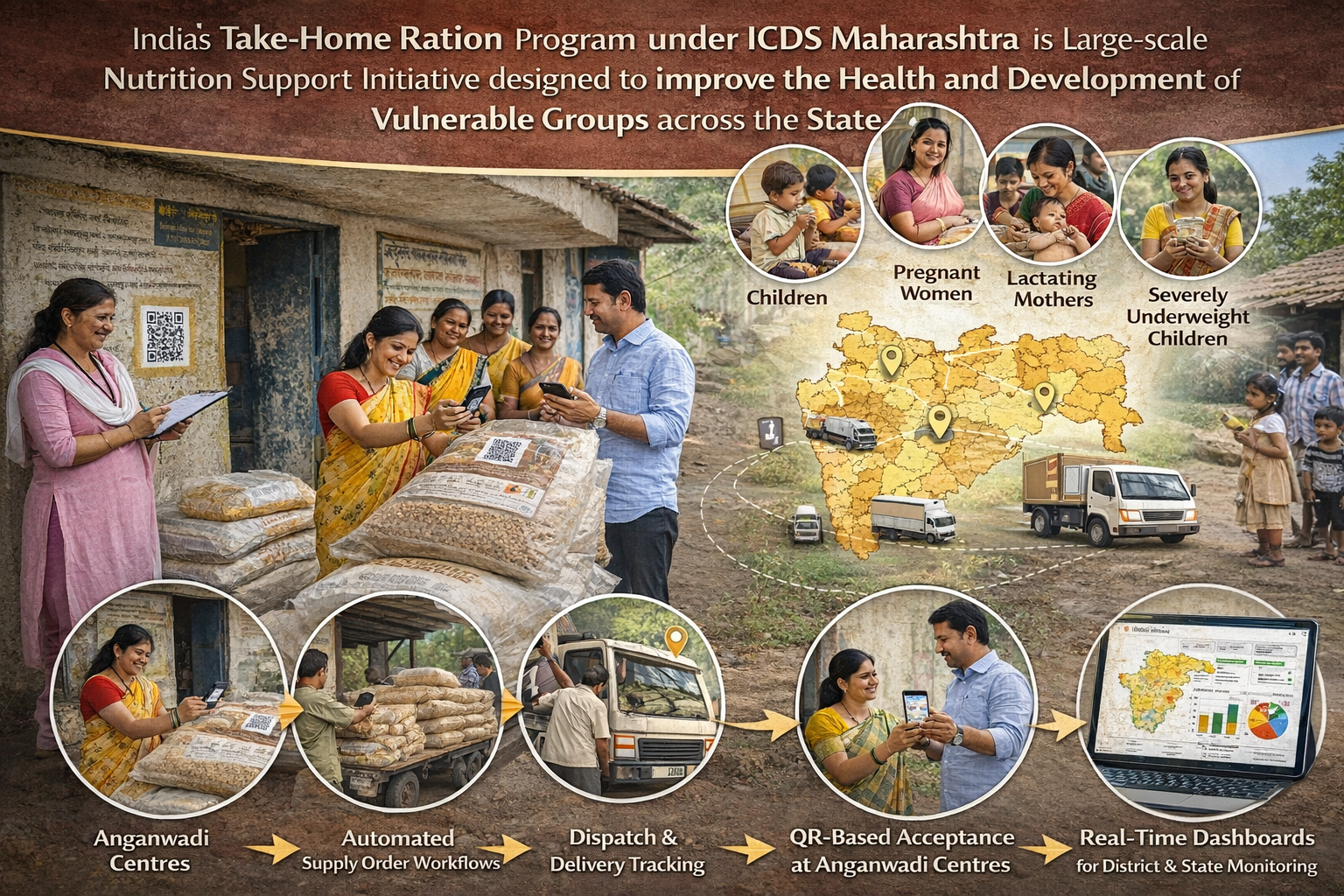
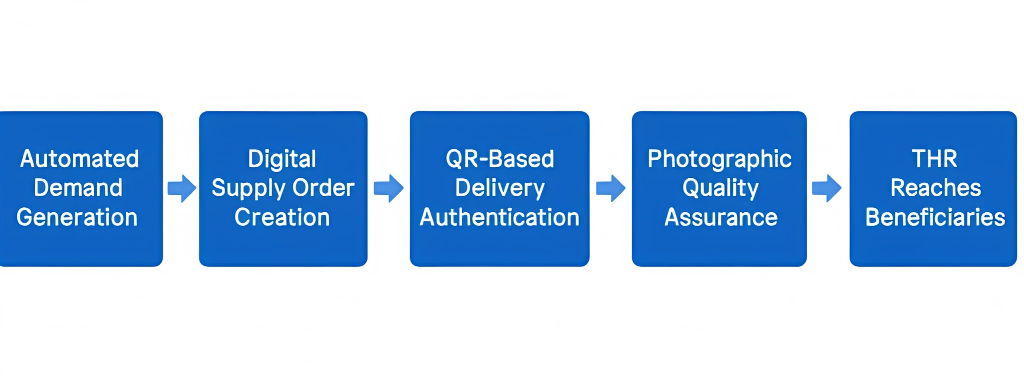
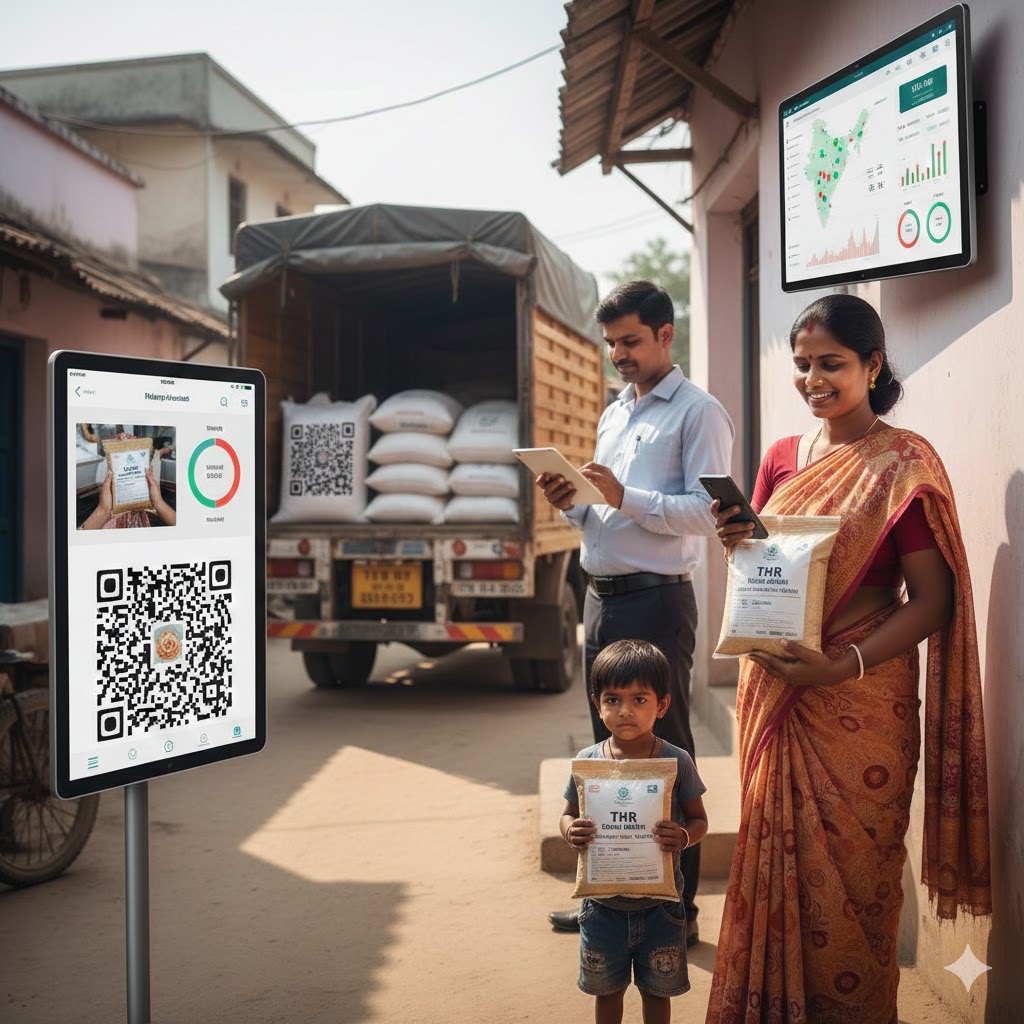
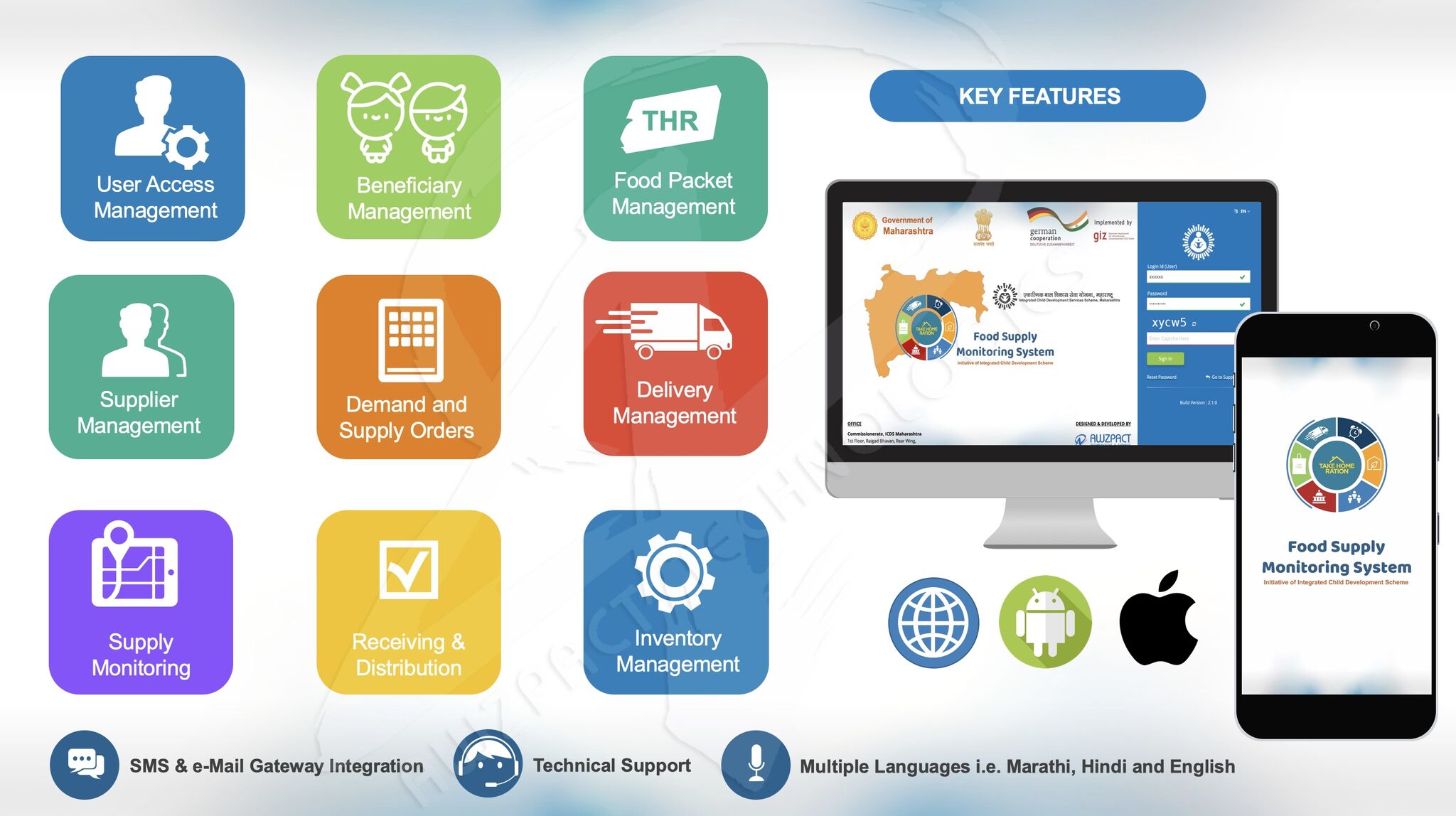
During this phase, the team realized that incremental improvements would not resolve the systemic inefficiencies. A holistic transformation was required—one that digitized the entire THR lifecycle from demand generation to final delivery. The focus shifted from fixing isolated gaps to reimagining the program through an integrated digital lens. This approach aimed to eliminate dependency on paper registers, ensure real-time data accuracy, and introduce automated checks and balances across all levels of the supply chain. Based on these insights, the core vision for the THR Supply Chain IT Solution was conceived. The envisioned system would include automated demand planning, digital supply order workflows, QR-based delivery authentication, photographic quality assurance, offline-capable mobile apps, and dashboards providing end-to-end visibility. This integrated ideation process laid the foundation for a transparent, accountable, and scalable digital ecosystem capable of supporting nutrition delivery for millions of beneficiaries.
Designing a Scalable Digital Architecture and Statewide Rollout Framework
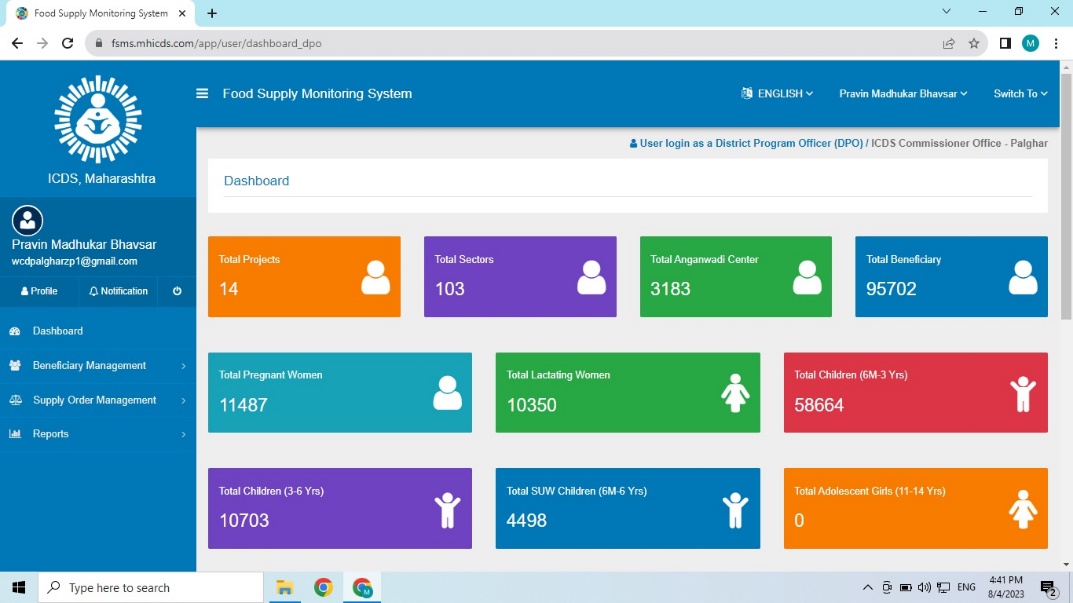
Once the vision was established, the planning stage focused on translating it into a robust and field-ready system architecture. The entire THR distribution workflow was mapped in detail—from the moment Anganwadi workers updated beneficiary counts, to the generation of monthly demand, creation of supply orders, vendor dispatch sequences, and the final delivery acknowledgment at AWCs. This process helped identify specific pain points and define uniform digital processes to ensure standardization across the state.
arallelly, the technical backbone of the system was designed. This included QR-based delivery verification, offline-enabled mobile applications for remote AWCs, multilingual interfaces, role-based access, automated penalty calculation for delays, audit trails, MIS reporting structures, and a scalable backend capable of handling lakhs of monthly transactions. Each module was planned with a strong focus on usability, ensuring even field-level staff with limited digital familiarity could operate the platform with ease.
To ensure smooth implementation, a comprehensive rollout plan was prepared. This involved selecting pilot districts for initial testing, designing capacity-building programs, creating training materials and help guides, and setting up district-level support mechanisms. The planning phase ensured that the transition from manual workflows to a digital system would be gradual, structured, and fully supported, thereby enabling seamless adoption across Maharashtra.
Implementing, Optimizing, and Scaling the Digital THR System Across Maharashtra
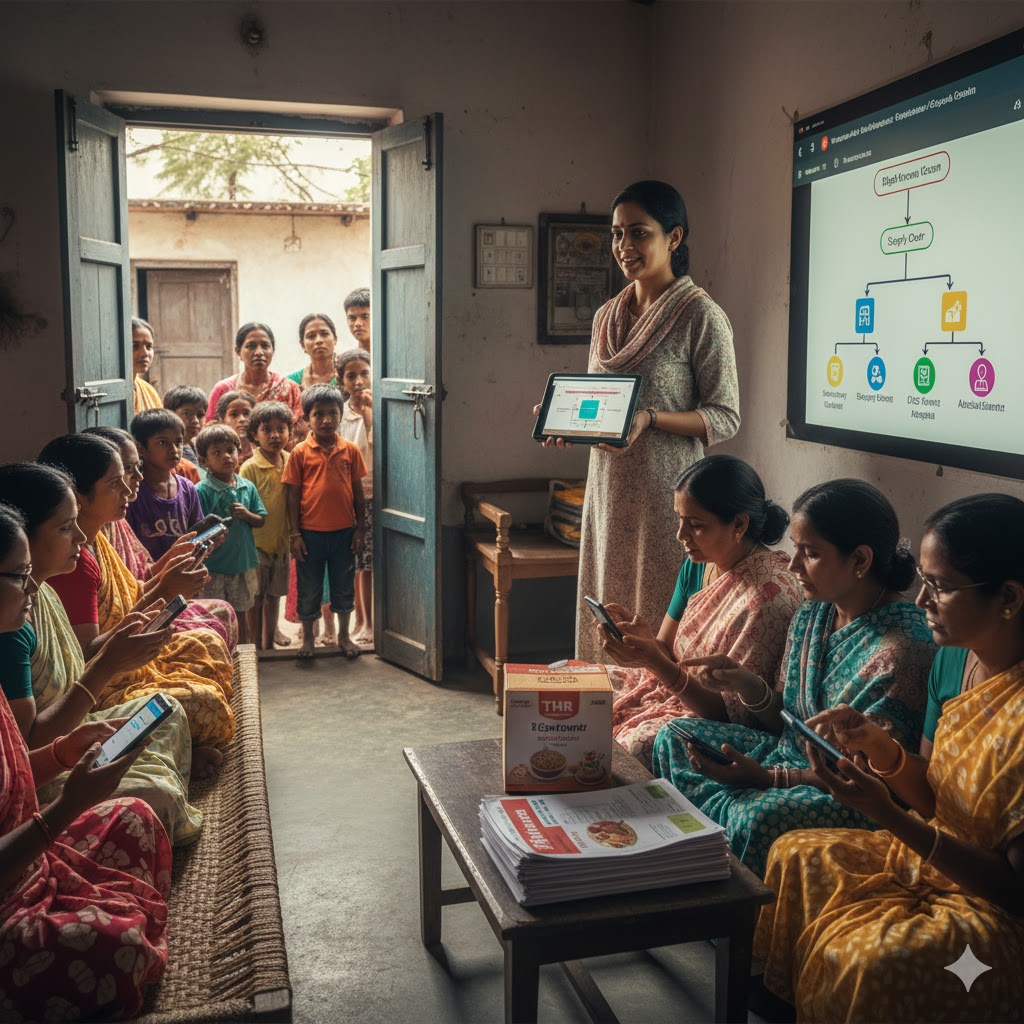
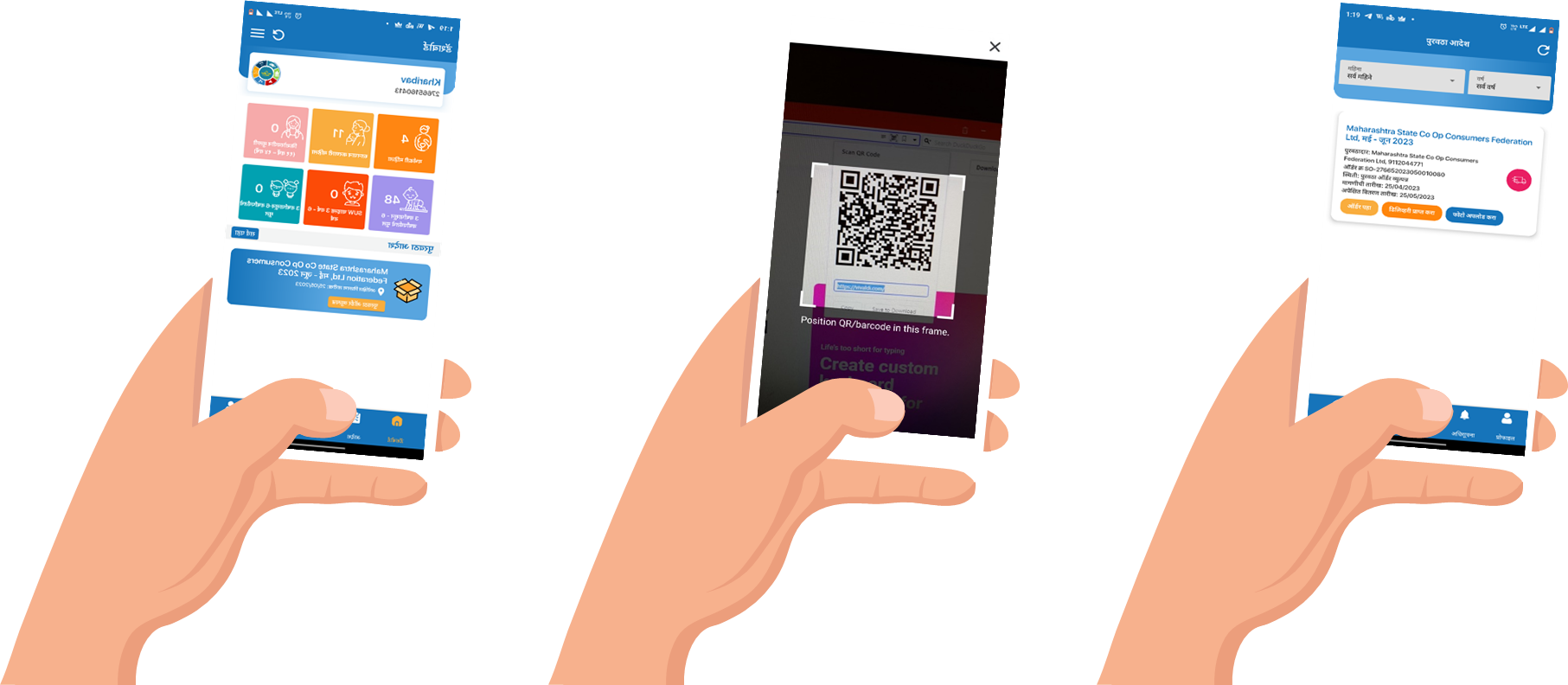
The execution phase began with pilot deployments in selected districts to test the system in real operational environments. This allowed the team to validate functionalities such as QR scanning, photo-based quality assurance, delivery timestamping, and dashboard synchronization. Real-world feedback from AWWs, Supervisors, CDPOs, and vendors helped refine user interface elements, improve speed, and simplify digital forms. These improvements ensured the system could function reliably even in low-connectivity and rural regions. With pilot learnings incorporated, a massive statewide training and capacity-building initiative was launched. Thousands of AWWs, Supervisors, and district officials participated in hands-on workshops and digital demonstrations to understand the new workflows. Vendor staff were also trained on digital dispatch processes and QR-based delivery protocols. This structured training ensured that all stakeholders, regardless of technical background, were confident in operating the system effectively.
Following the training phase, the system was rolled out across all districts of Maharashtra. End-to-end THR operations—including demand calculation, supply order creation, dispatch tracking, delivery authentication, and quality validation—began running digitally. Supervisory dashboards enabled real-time monitoring, allowing officers to detect delays instantly and intervene promptly. Over time, the system stabilized, vendor compliance improved, and THR delivery became more predictable, transparent, and accountable. The execution phase ultimately transformed the THR program into one of India’s most advanced digital supply chain models in the nutrition sector.
Streamlined Operations & Faster THR Distribution
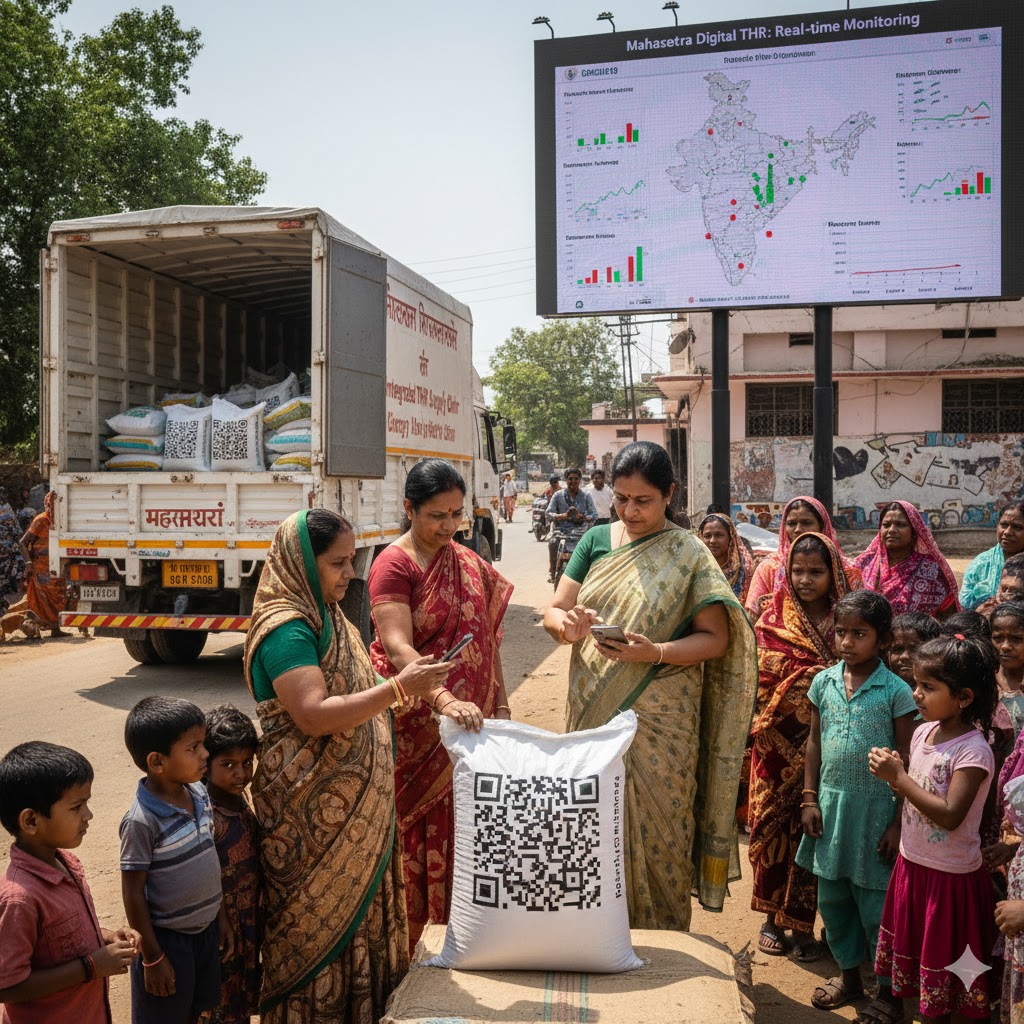
The introduction of automated demand generation and digital supply order workflows has significantly accelerated the THR distribution cycle. Anganwadi Centres now receive accurate quantities based on real-time beneficiary data, eliminating the guesswork that previously caused delays or shortages. QR-based delivery authentication has transformed last-mile processes by ensuring instant, verifiable confirmation of deliveries, reducing the time spent on physical registers and manual follow-ups. As a result, deliveries have become more predictable, allowing Anganwadi workers to plan their monthly distribution schedules more effectively. This improvement in operational timing ensures that essential nutrition reaches mothers and children consistently, without interruptions caused by administrative bottlenecks.
Full Transparency, End-to-End Visibility & Strengthened Accountability
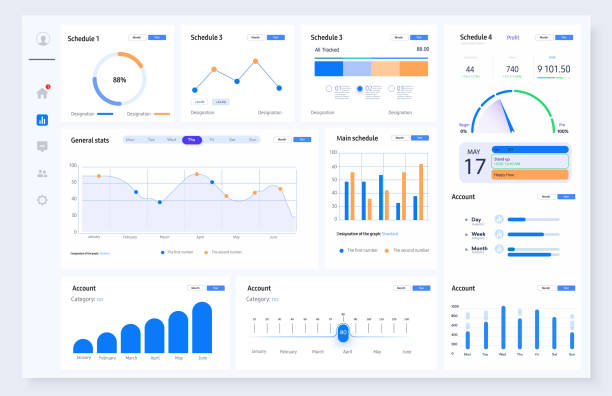
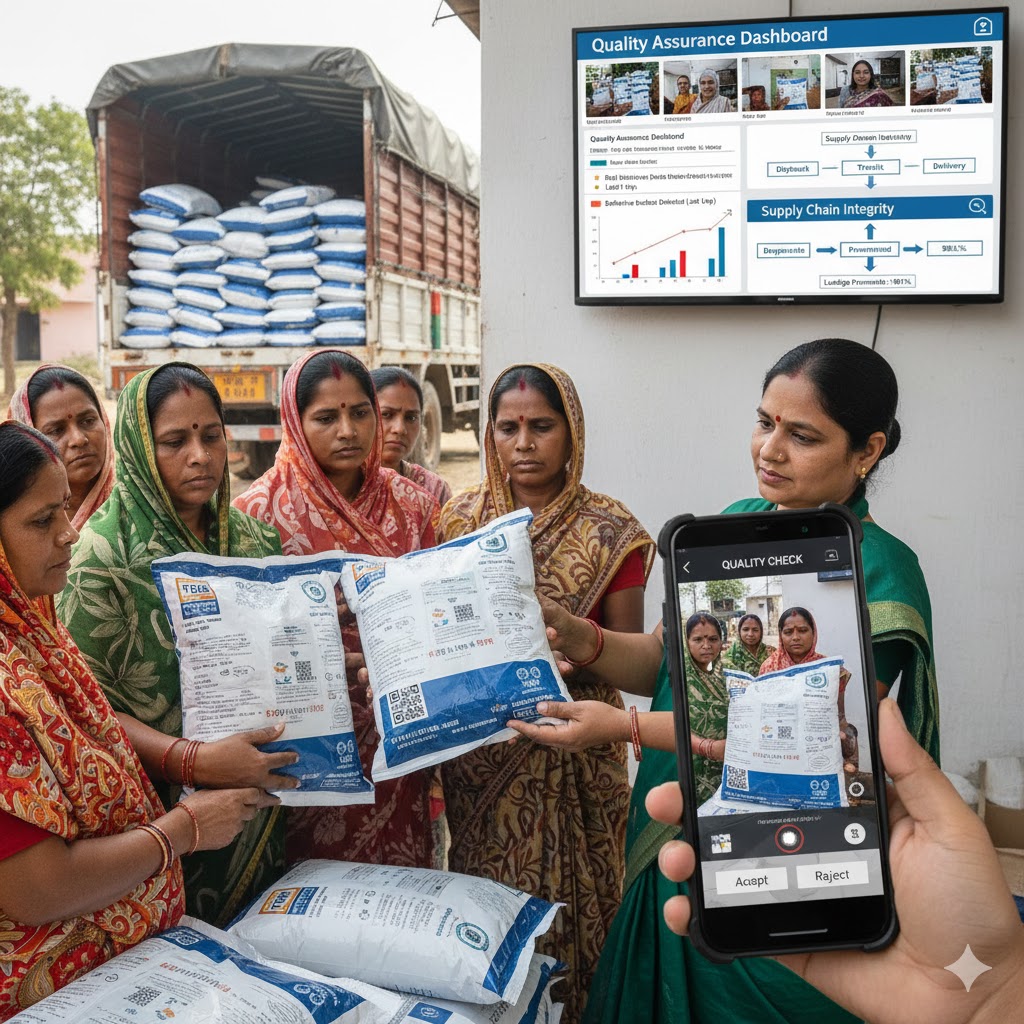
The digital backbone of the THR system has introduced a level of transparency and traceability that was previously unattainable through paper-based workflows. Every stage of the supply chain—from dispatch at manufacturing units to delivery at AWCs—is now time-stamped and digitally recorded, making the entire process fully auditable. Photographic evidence captured at delivery points provides clear visibility into packet condition and serves as verifiable proof during monitoring and review. State and district dashboards offer real-time insights into supply movement, vendor performance, and pending deliveries, enabling supervisors to intervene quickly when issues arise. This transparent structure ensures strong accountability across all stakeholders, fostering a governance environment grounded in accuracy and trust.

Robust Quality Control & Reduction of Supply Chain Leakages
The digital system has introduced structured quality assurance, ensuring that only safe and acceptable THR packets reach beneficiaries. Photographs captured during delivery allow authorities to flag damaged, tampered, or substandard packets immediately, enabling faster corrective action and improved vendor compliance. Digital records reduce the scope for manual manipulation, fraud, or ghost entries that were difficult to detect earlier. The system’s ability to monitor supply movement in real time prevents diversions and ensures that each consignment reaches its intended destination. Through these improvements, the program has significantly reduced leakages and strengthened the integrity of THR delivery across the state.
Advanced Analytics, Predictive Oversight & Smarter Governance
The availability of live dashboards and analytical reports has empowered district and state officials with timely, actionable intelligence. Administrators can now track delivery trends, identify geographic bottlenecks, and observe vendor performance patterns with unprecedented clarity. This real-time visibility allows for proactive decision-making, enabling officials to resolve issues before they disrupt THR distribution. Over time, data patterns support more informed planning of supply cycles, resource allocation, and vendor capacity management. The program has transitioned from a reactive, manual monitoring approach to a predictive, data-driven governance model that strengthens performance and enhances service reliability for beneficiaries.