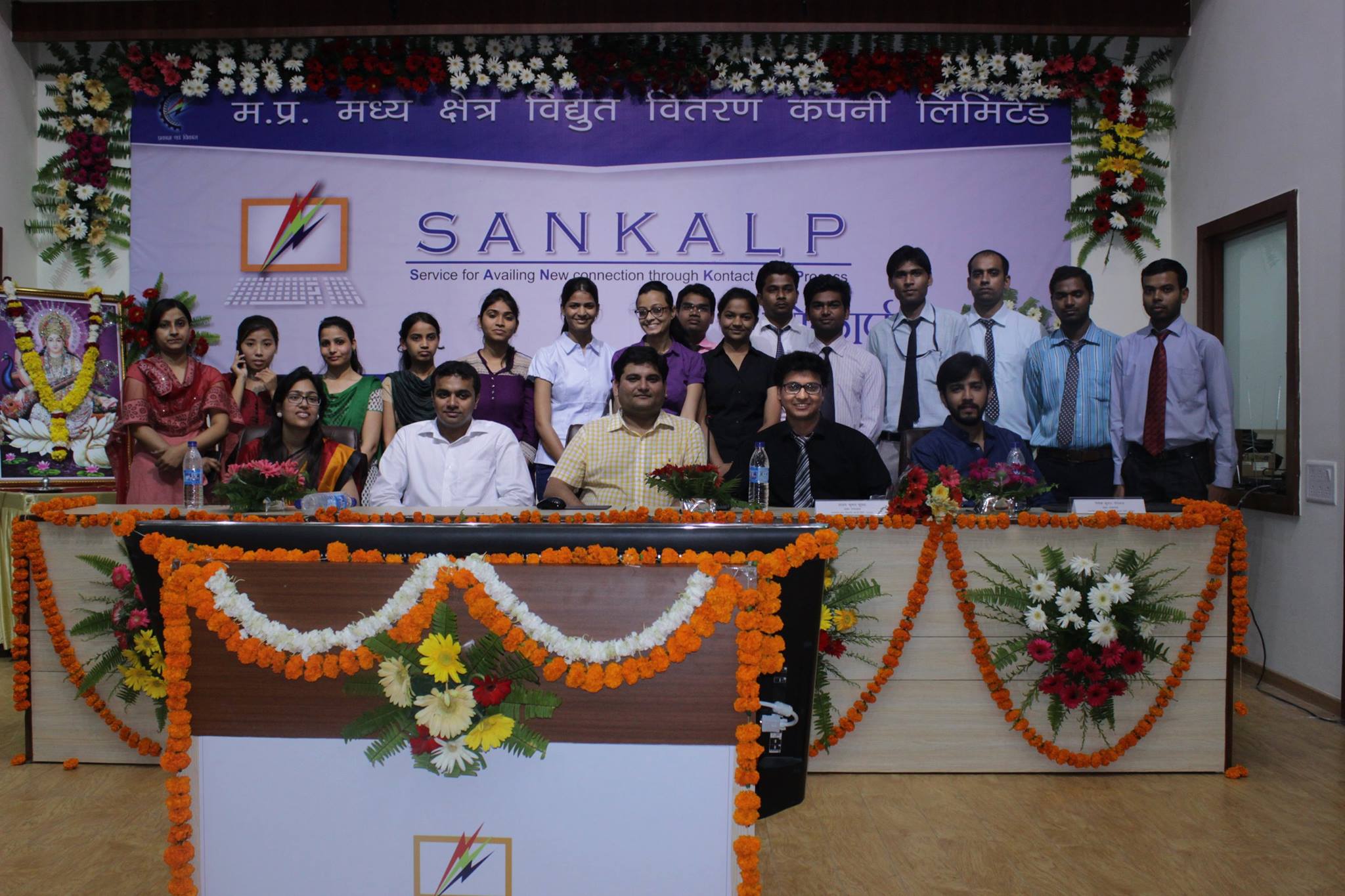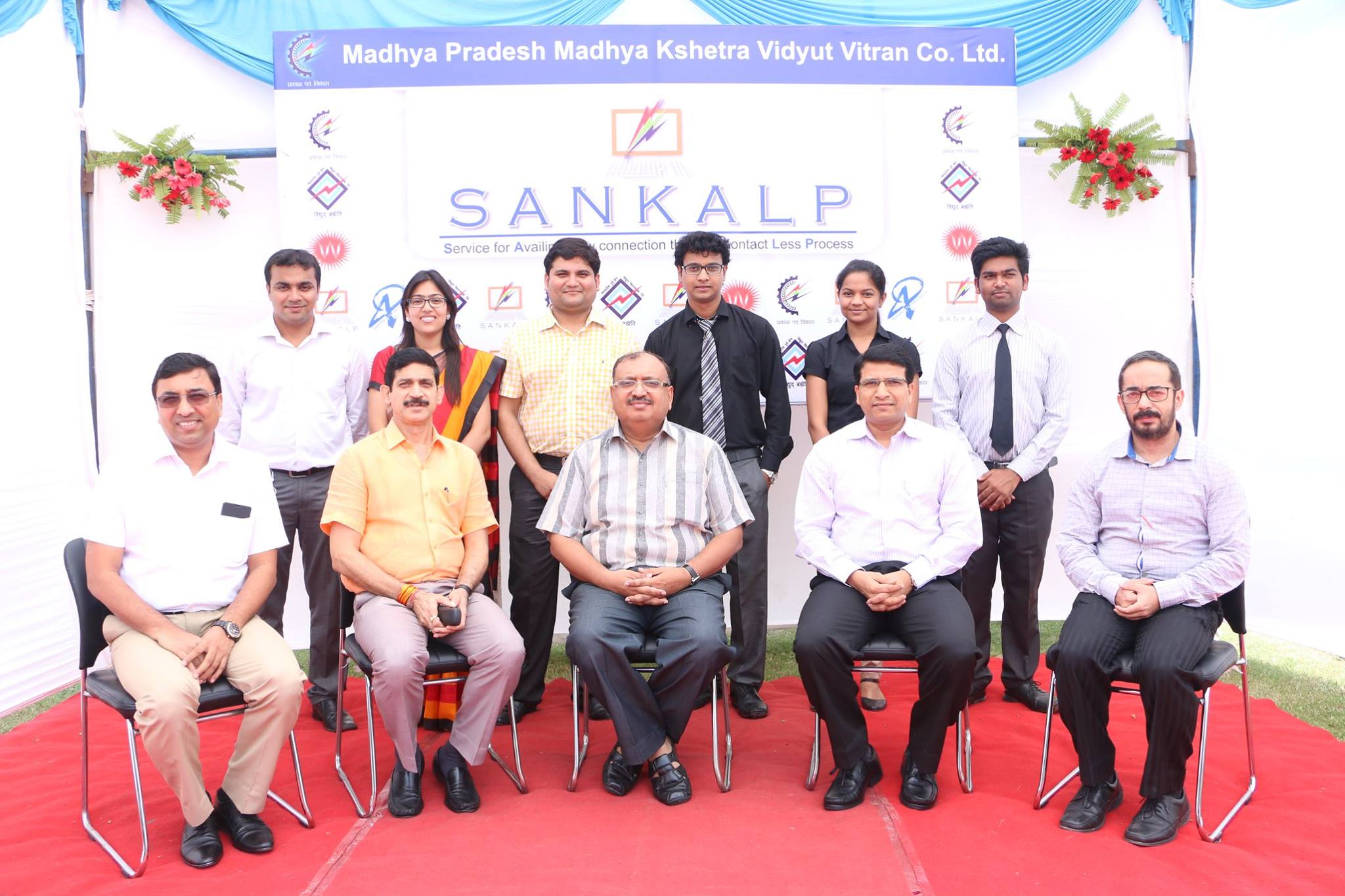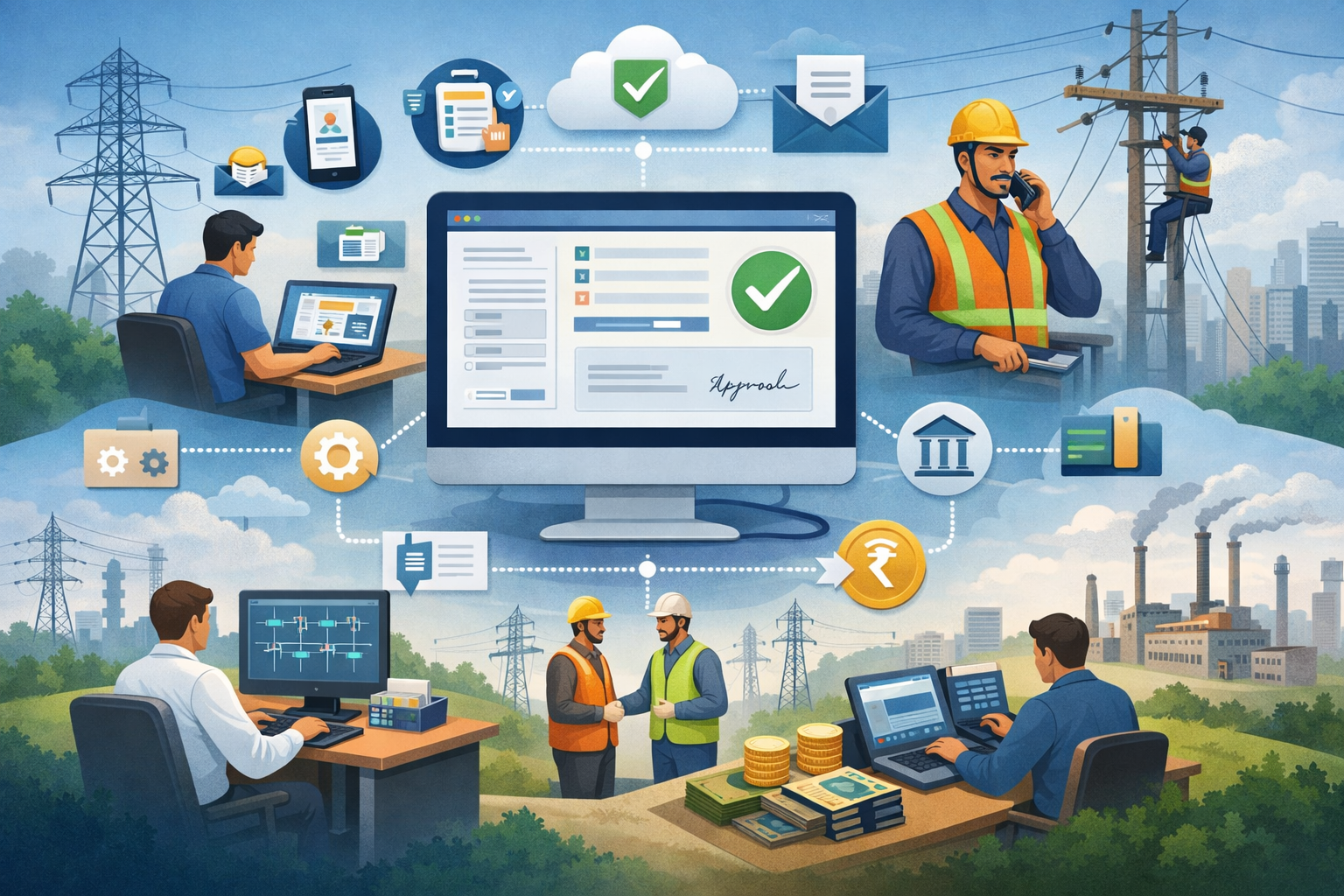
Legacy, Office-Centric Electricity Connection Framework

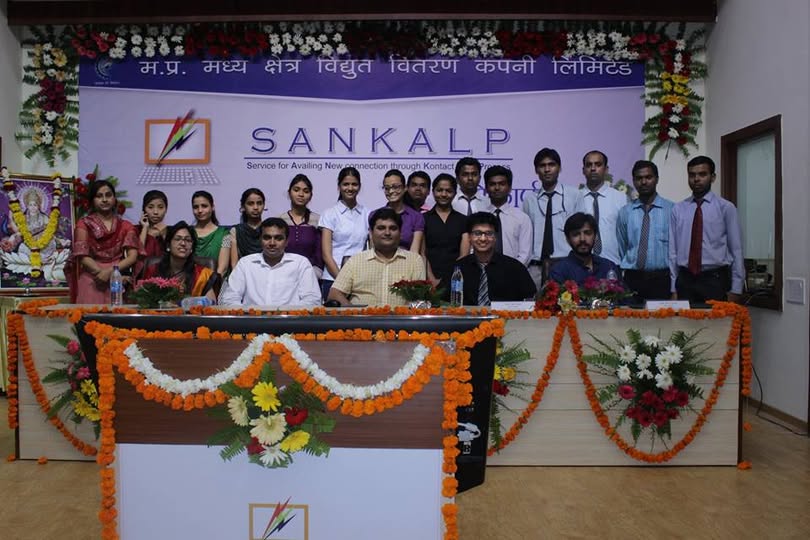
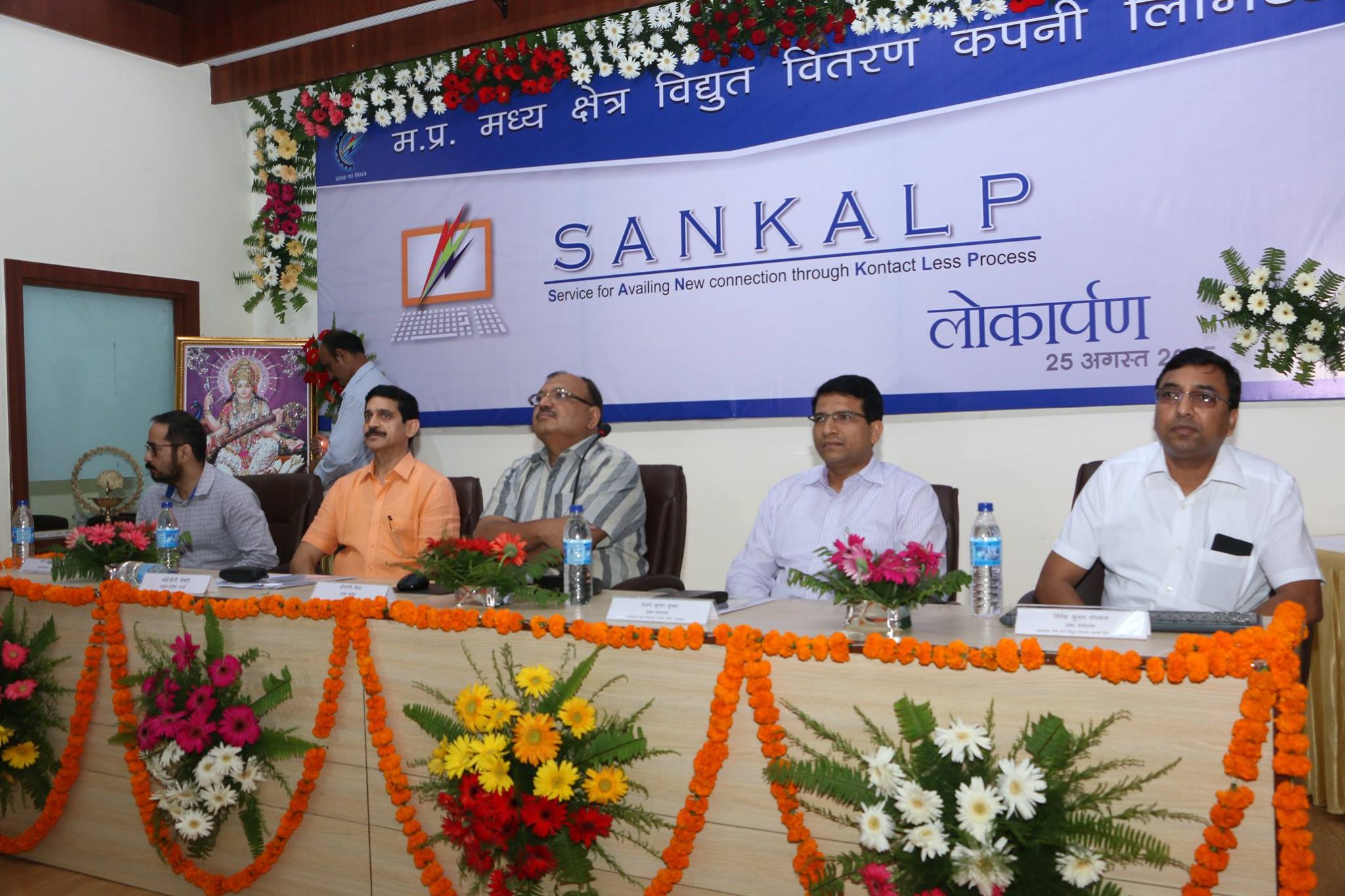
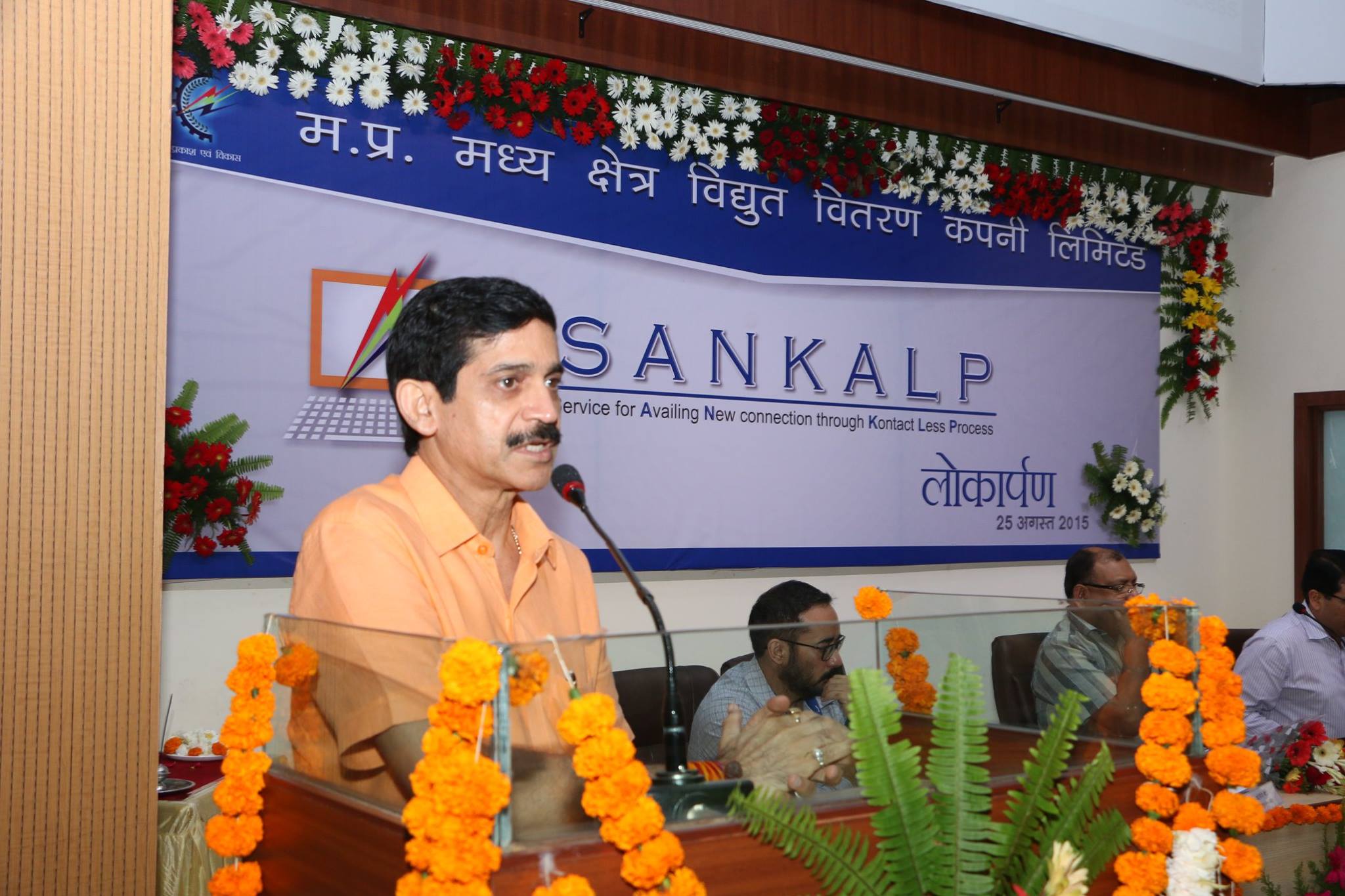
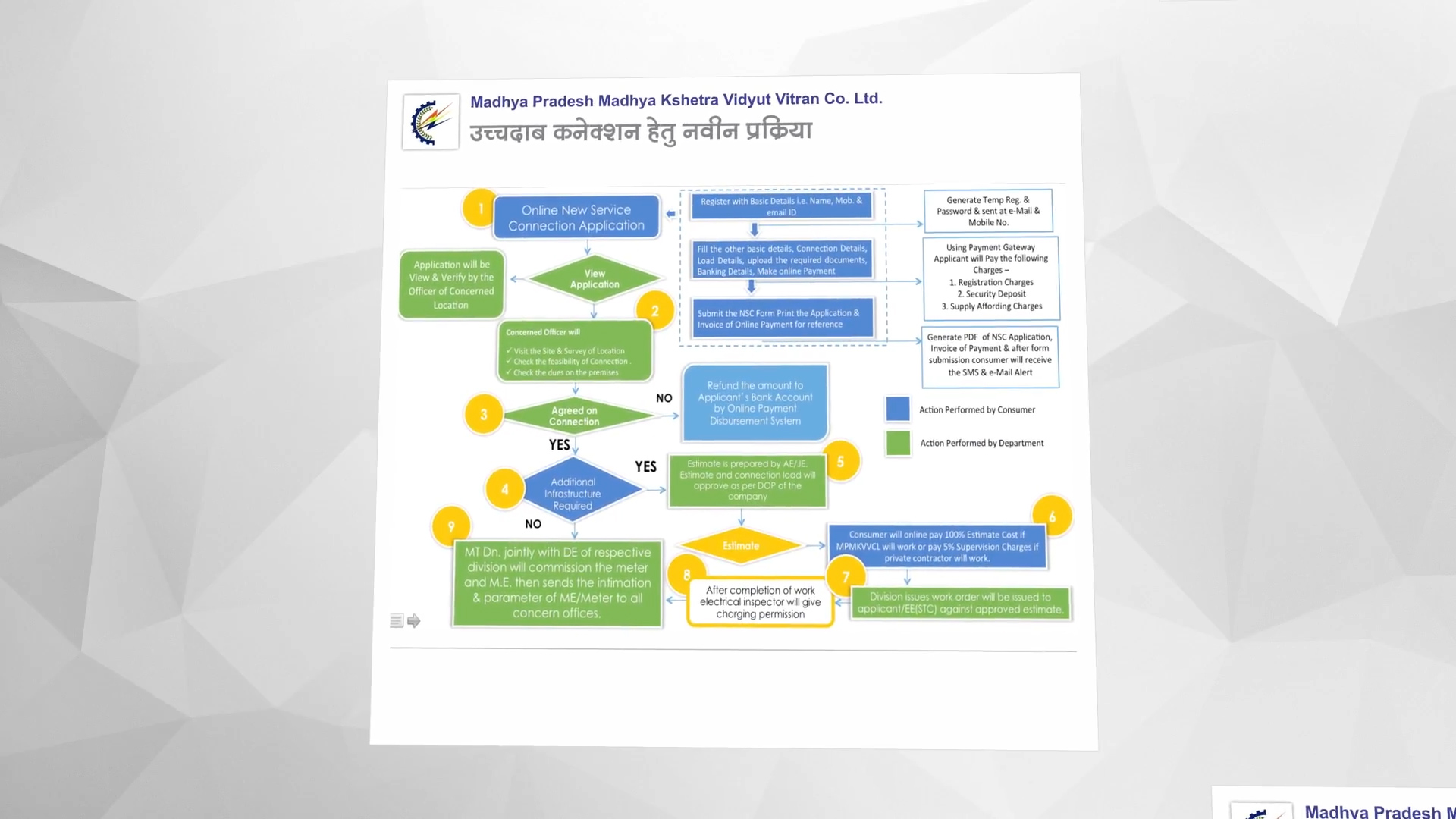
Before the introduction of SANKALP, the process of obtaining new High Tension (HT) and Low Tension (LT) electricity connections was largely manual and office-centric. Applicants were required to physically visit multiple offices of the electricity distribution company for application submission, document verification, estimate preparation, approvals, and payments. Each stage was handled by different sections and officials, resulting in repetitive visits, fragmented communication, and extended processing timelines, especially for industrial and commercial consumers with critical operational dependencies. This approach not only created inconvenience for applicants but also imposed significant administrative pressure on electricity board offices. High footfall at subdivision and division offices led to congestion and inefficiencies, diverting staff time away from core operational responsibilities. The reliance on paper-based workflows made the system vulnerable to delays, inconsistencies, and non-uniform service practices across regions, highlighting the need for systemic reform.
Absence of Transparency, Predictability, and Application Tracking

The manual nature of the service connection process provided limited transparency to applicants regarding the progress of their applications. Once submitted, consumers had no structured or reliable mechanism to track movement across stages such as verification, estimate approval, work execution, and final connection release. Status updates were largely dependent on physical follow-ups or informal communication, creating uncertainty and dissatisfaction. From an administrative perspective, the absence of a centralized digital platform restricted management’s ability to monitor pendency levels, turnaround times, and regional performance trends. Supervisory officers lacked consolidated and real-time data to identify bottlenecks or intervene proactively. This lack of end-to-end traceability weakened accountability and underscored the need for a digitally enabled, trackable service delivery framework.
Rising Citizen and Industry Expectations for Digital, Contact-Less Services
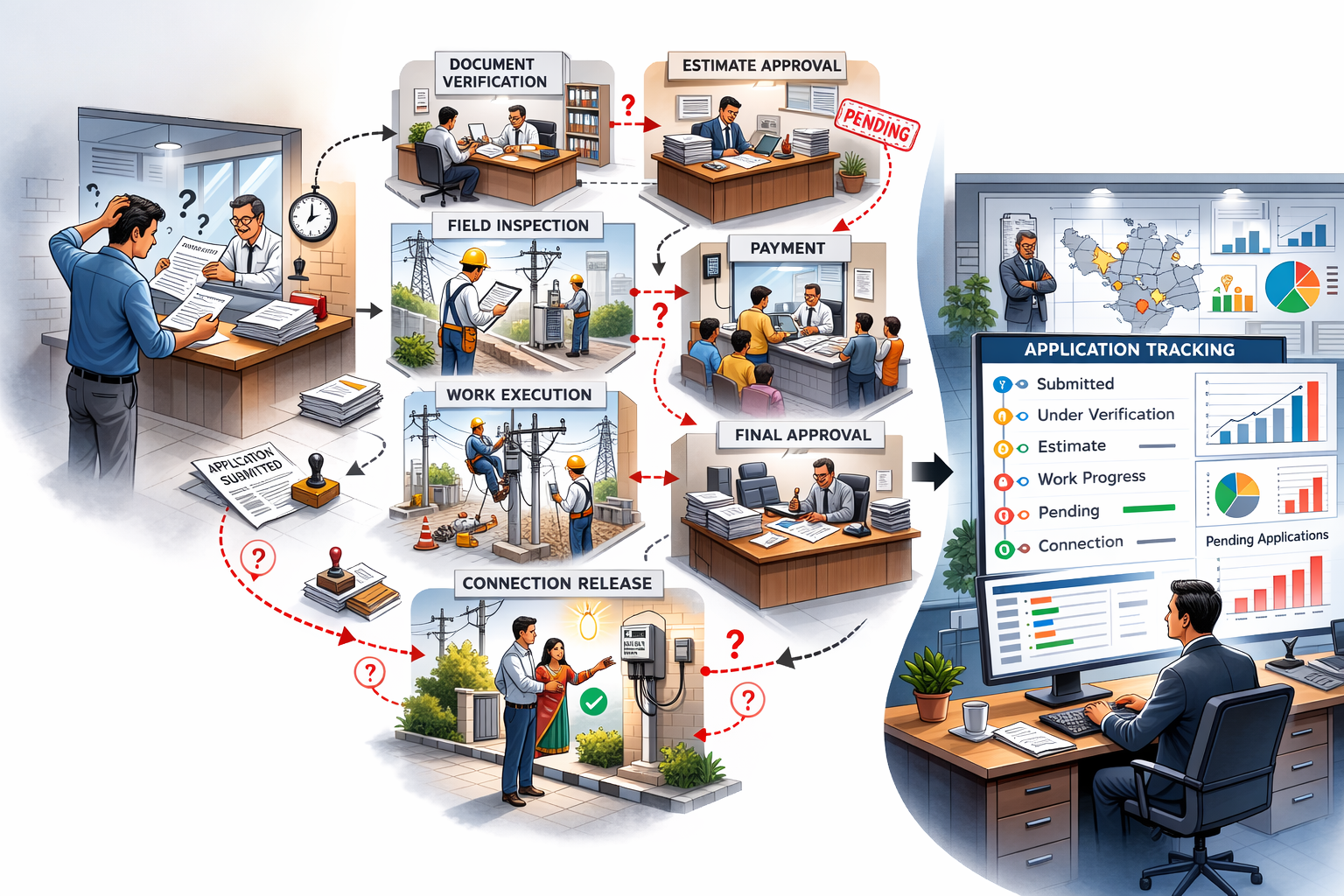
With the rapid expansion of digital services and increased reliance on online platforms, both citizens and industries began expecting faster, paperless, and contact-less service delivery from public utilities. Traditional processes involving physical visits, manual forms, and in-person approvals were increasingly perceived as outdated and inefficient in the context of modern governance. MPMKVVCL recognized that electricity connection services—being critical for households, businesses, and industries—required urgent modernization. There was a clear expectation to enable applicants to submit applications, upload documents, digitally sign agreements, make payments, and receive approvals remotely, thereby reducing physical dependency and improving overall service experience.
Strategic Need to Support Industrial Growth and Ease of Doing Business

Timely availability of electricity connections is a foundational requirement for industrial growth, infrastructure development, and investment execution. Delays in obtaining HT/LT connections often resulted in stalled projects, cost escalations, and operational uncertainty, directly impacting investor confidence and economic activity within the state. In alignment with Madhya Pradesh’s focus on improving Ease of Doing Business and facilitating industrial development, reforming electricity connection services became a strategic priority. SANKALP was therefore conceptualized as an institutional reform aimed at creating a predictable, transparent, and fully online service delivery mechanism that could support industrial growth, reduce procedural delays, and strengthen the state’s overall investment ecosystem.

Ideation

Planning

Execution

Institutionalization
Ideation: Re-imagining Electricity Connection Services as a Governance Reform
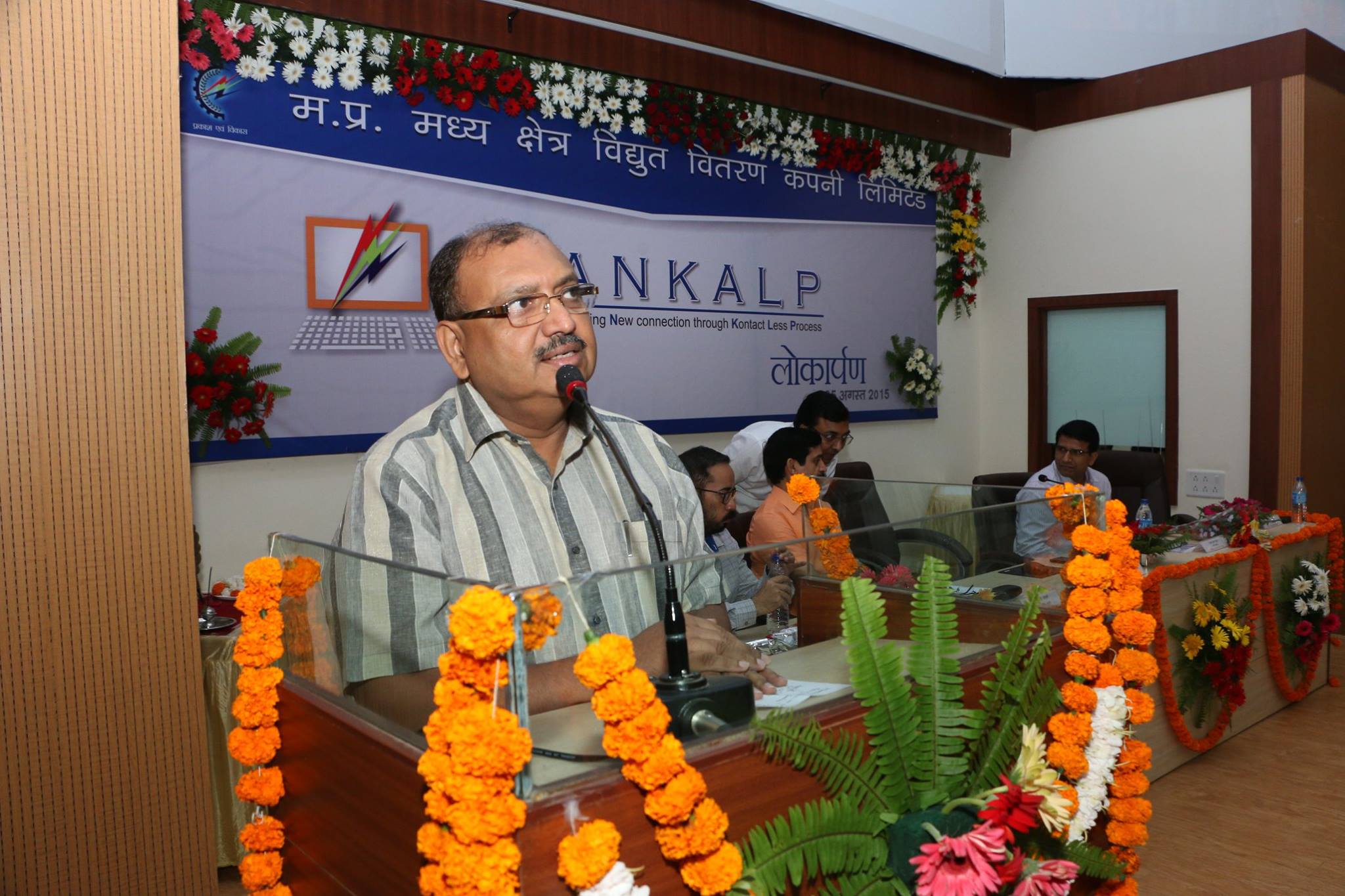
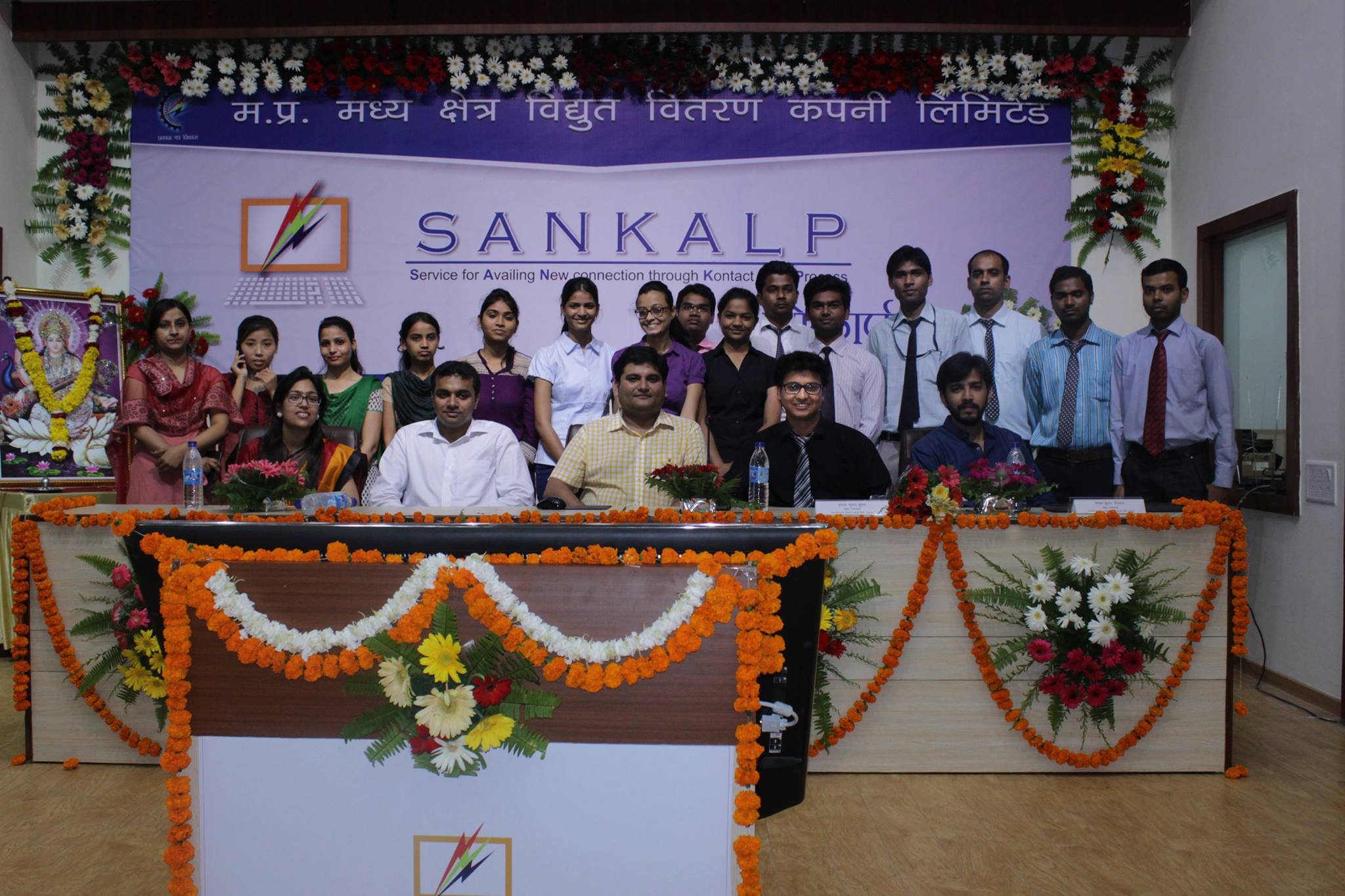
The ideation of SANKALP was driven by a strategic recognition within MPMKVVCL that electricity connection services—particularly HT and LT connections—are foundational to citizen welfare, industrial growth, and economic development. The prevailing service model was heavily process-driven rather than outcome-driven, focusing on departmental procedures instead of applicant experience. This resulted in delays, opacity, and uneven service standards across regions. The leadership identified the need to reposition electricity connection provisioning as a citizen-centric public service, rather than a routine administrative function.
Accordingly, SANKALP was conceptualized not merely as an IT application but as an institutional reform initiative aimed at redesigning the entire service lifecycle. The core ideation principles included contact-less service delivery, elimination of discretionary interventions, standardization of workflows, and complete digital traceability. The vision was to empower applicants—especially industries and commercial establishments—with predictability, transparency, and ease of access, while simultaneously strengthening internal governance, compliance, and operational efficiency within the utility .
Planning: Process Re-engineering and Digital Architecture Design
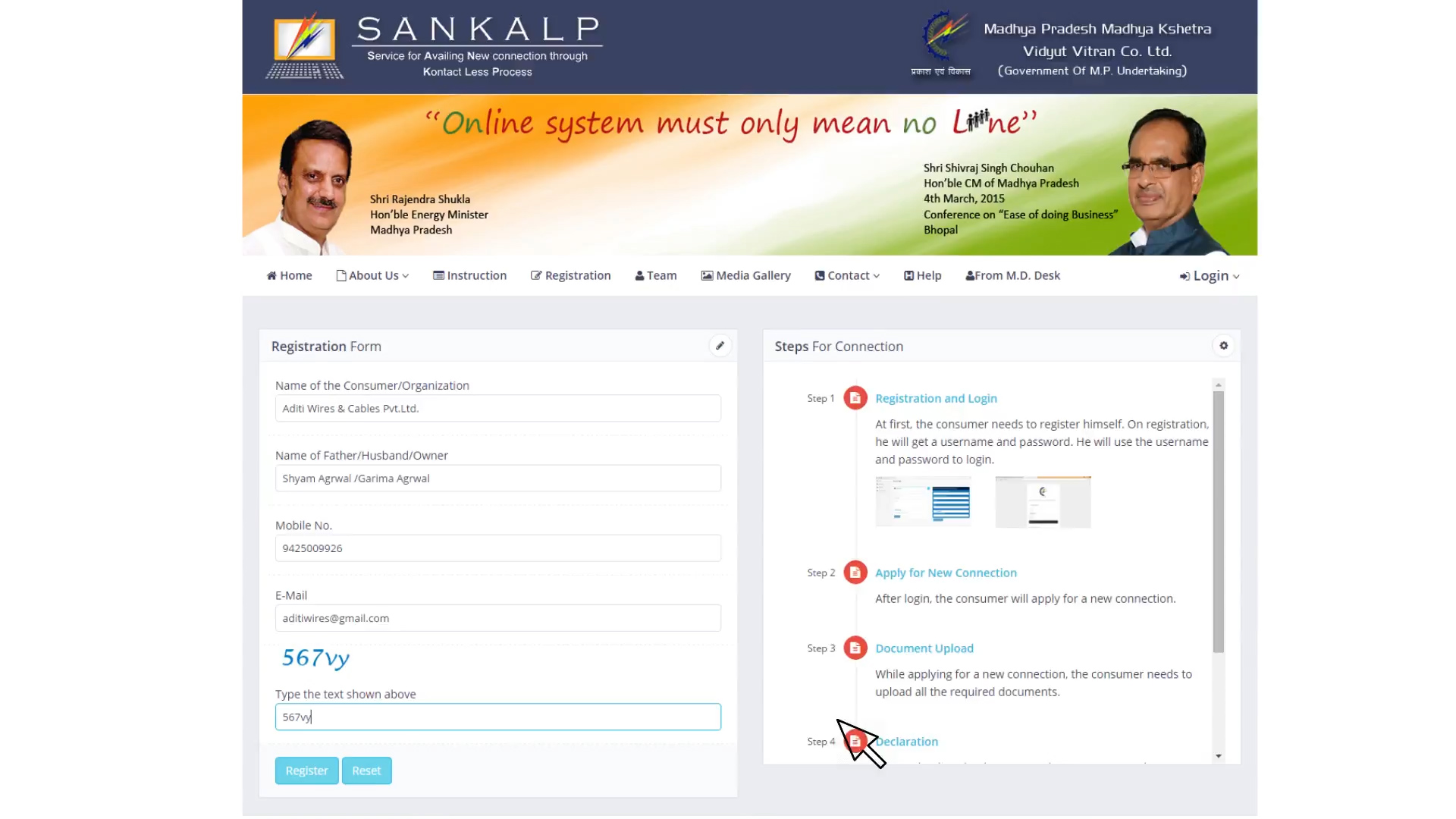
During the planning phase, the existing HT/LT connection processes were comprehensively mapped to identify redundancies, delays, and manual dependencies. Each stage—from consumer registration to final energization—was examined in detail to re-engineer workflows for digital execution. Approval hierarchies were rationalized, documentation requirements were standardized, and decision points were clearly defined to minimize ambiguity and reduce turnaround time.
The digital architecture was designed to function as a single, integrated ecosystem rather than a standalone portal. SANKALP was planned with deep integrations across internal systems such as Consumer Management Systems and CCNB, as well as third-party platforms including payment gateways and IGRS for e-stamp generation and digital agreements. Strong emphasis was placed on data security, auditability, scalability, and compliance to ensure that the platform could support large volumes of applications while maintaining system integrity and governance standards.
Execution: Statewide Deployment and Stakeholder Enablement
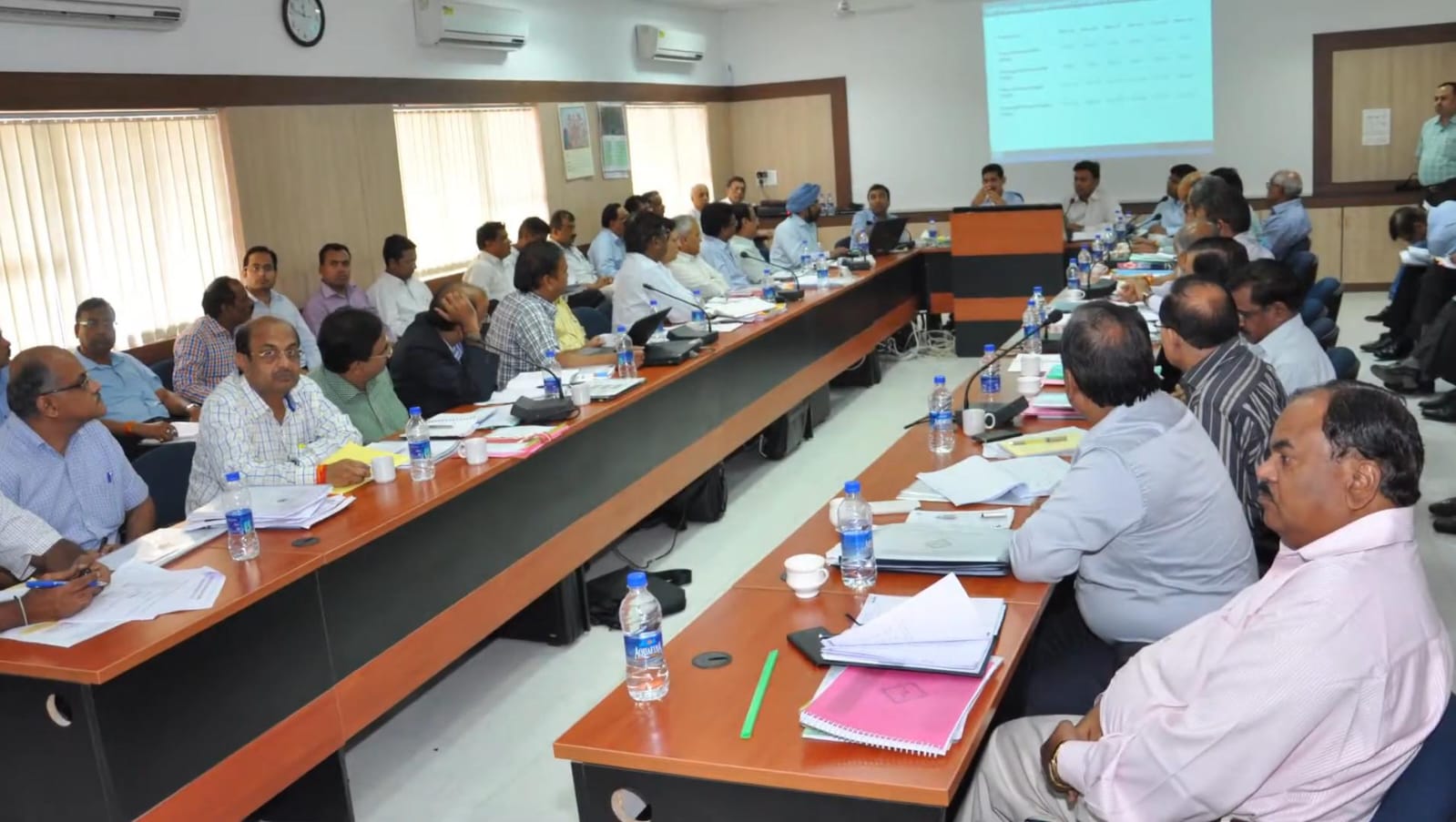
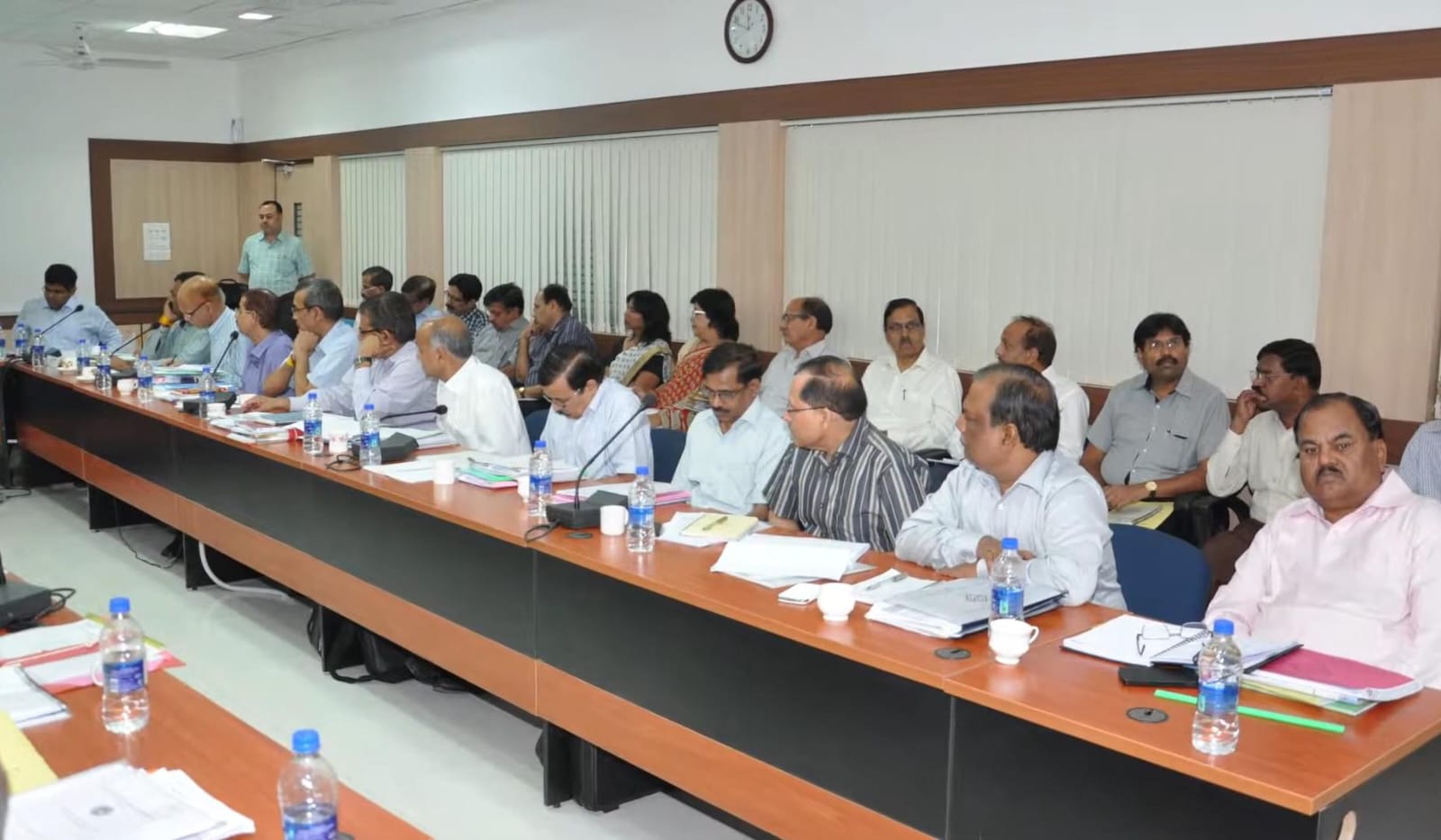
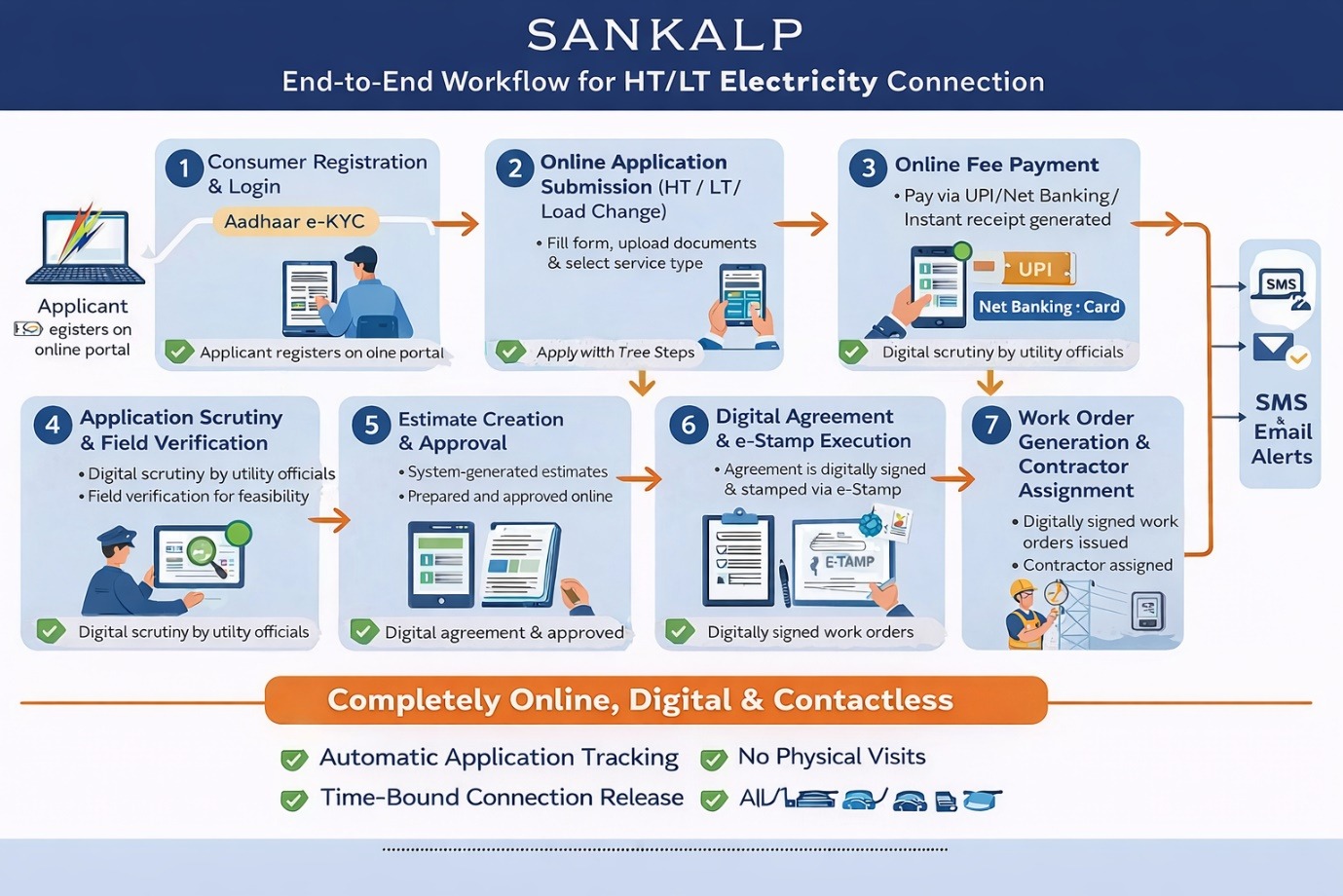
The execution phase focused on rolling out SANKALP across all operational jurisdictions of MPMKVVCL and ensuring adoption by every stakeholder involved in the electricity connection lifecycle. Applicants were enabled to submit HT/LT connection requests online, upload documents, complete Aadhaar-based verification, digitally sign agreements, and make payments without any physical interface. Automated routing ensured that applications seamlessly moved across technical, commercial, finance, and contractor stages without manual handoffs.
Parallelly, extensive training and change-management programs were conducted for utility officials, field engineers, contractors, and supervisory staff. Standard Operating Procedures (SOPs) were issued to institutionalize the new digital workflows and phase out legacy practices. This structured execution approach ensured uniform implementation across divisions and minimized resistance to change, thereby enabling smooth transition to a digital-first service delivery model.
Institutionalization, Monitoring and Continuous Improvement
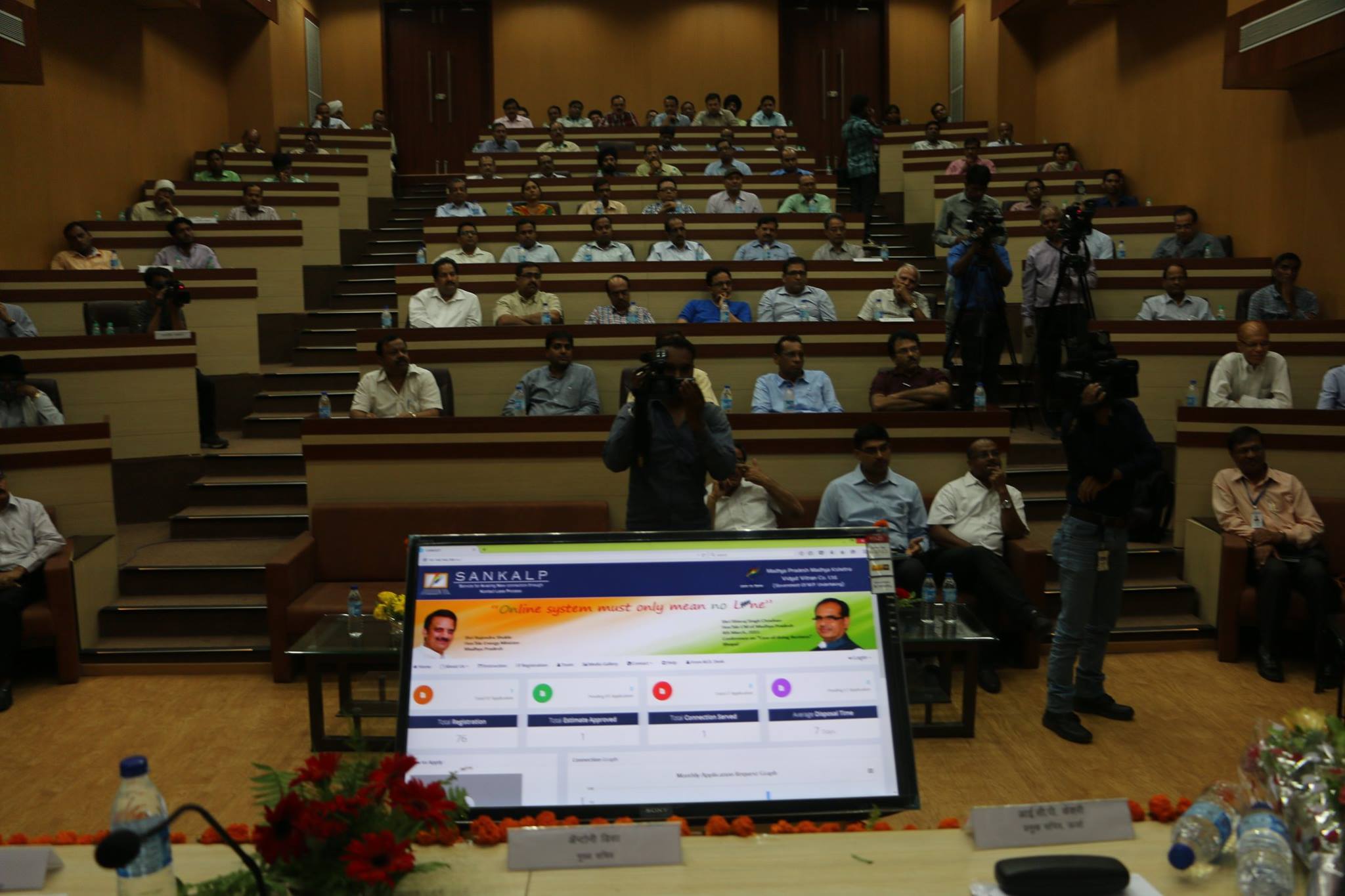
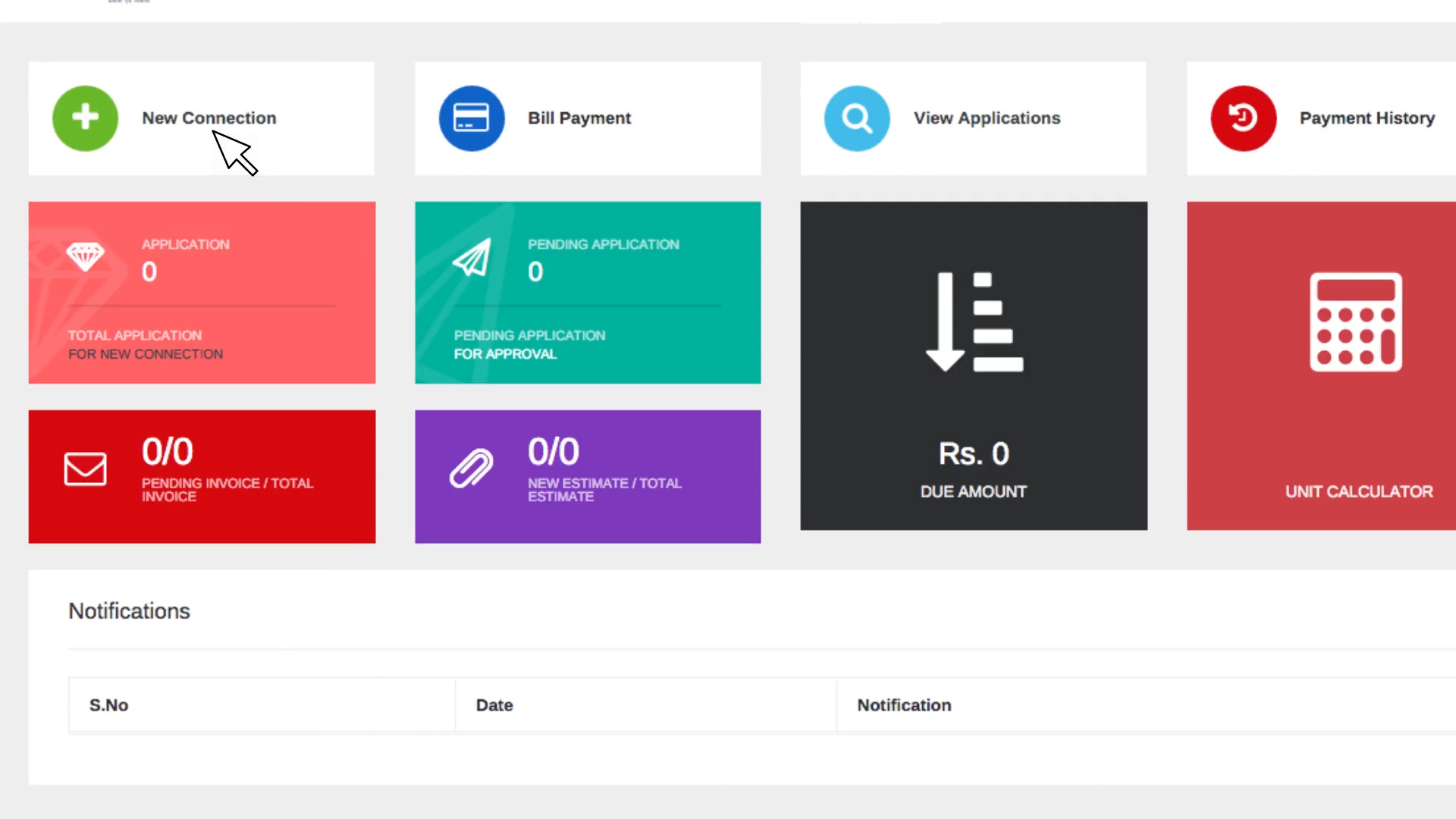
Post-deployment, SANKALP was formally institutionalized as the primary and mandatory mechanism for availing HT/LT electricity connections. Manual and parallel processes were systematically discontinued to ensure full dependency on the digital platform. Governance mechanisms such as dashboards, MIS reports, and performance analytics were introduced to provide senior management with real-time visibility into application volumes, processing timelines, pendency levels, and regional performance.
A continuous improvement framework was embedded within the system to incorporate feedback from applicants, field staff, and supervisory officers. Insights derived from application data and performance trends enabled process refinements, policy adjustments, and system enhancements over time. Through this approach, SANKALP evolved into a living governance platform—supporting transparency, accountability, and data-driven decision-making—while establishing a scalable and future-ready foundation for electricity service delivery in Madhya Pradesh.

Transformation in Turnaround Time and Service Predictability
The implementation of SANKALP has fundamentally transformed the timelines associated with providing HT and LT electricity connections by replacing fragmented, manual processes with fully digitized and rule-based workflows. Earlier, delays were common due to sequential approvals, physical file movement, and lack of coordination across departments. With SANKALP, each stage of the service lifecycle—application submission, verification, estimate preparation, approval, work execution, and final connection release—is executed through an integrated digital framework, significantly reducing processing time and eliminating avoidable bottlenecks. This improvement has delivered a high degree of predictability to applicants, particularly industrial and commercial consumers who operate on strict project schedules. The availability of defined digital stages and automated routing has ensured that service delivery timelines are no longer dependent on individual offices or manual interventions. As a result, electricity connection services have shifted from being a potential operational risk to a dependable enabler of business and infrastructure development.

Enhanced Transparency, Trust, and Applicant Confidence
SANKALP has institutionalized transparency by enabling complete digital traceability of applications from initiation to closure. Applicants can now view application status, pending actions, approvals, and payments in real time, supported by automated alerts and notifications. This has eliminated ambiguity, reduced dependency on physical follow-ups, and ensured that applicants remain informed at every stage of the process. The transparent and standardized nature of the platform has significantly strengthened applicant trust in the electricity distribution system. Consumers increasingly perceive the service as objective, predictable, and accountable rather than discretionary. This shift in perception has improved overall satisfaction levels and reinforced confidence in Madhya Pradesh Madhya Kshetra Vidyut Vitaran Company Limited’s commitment to citizen-centric and industry-friendly governance.

Significant Gains in Operational Efficiency and Internal Governance
From an organizational standpoint, SANKALP has delivered substantial efficiency gains by integrating technical, commercial, finance, and contractor-related workflows into a single digital ecosystem. Manual documentation, repeated data entry, and physical coordination have been largely eliminated, enabling staff to focus on core operational and field responsibilities rather than administrative follow-ups. The availability of centralized dashboards, MIS reports, and performance analytics has strengthened supervisory oversight and management control. Senior officers now have real-time visibility into application volumes, pendency trends, and regional performance, enabling timely interventions and informed decision-making. This data-driven governance approach has improved accountability at all levels and enhanced the utility’s ability to manage service delivery proactively.

Direct Contribution to Ease of Doing Business and Industrial Enablement
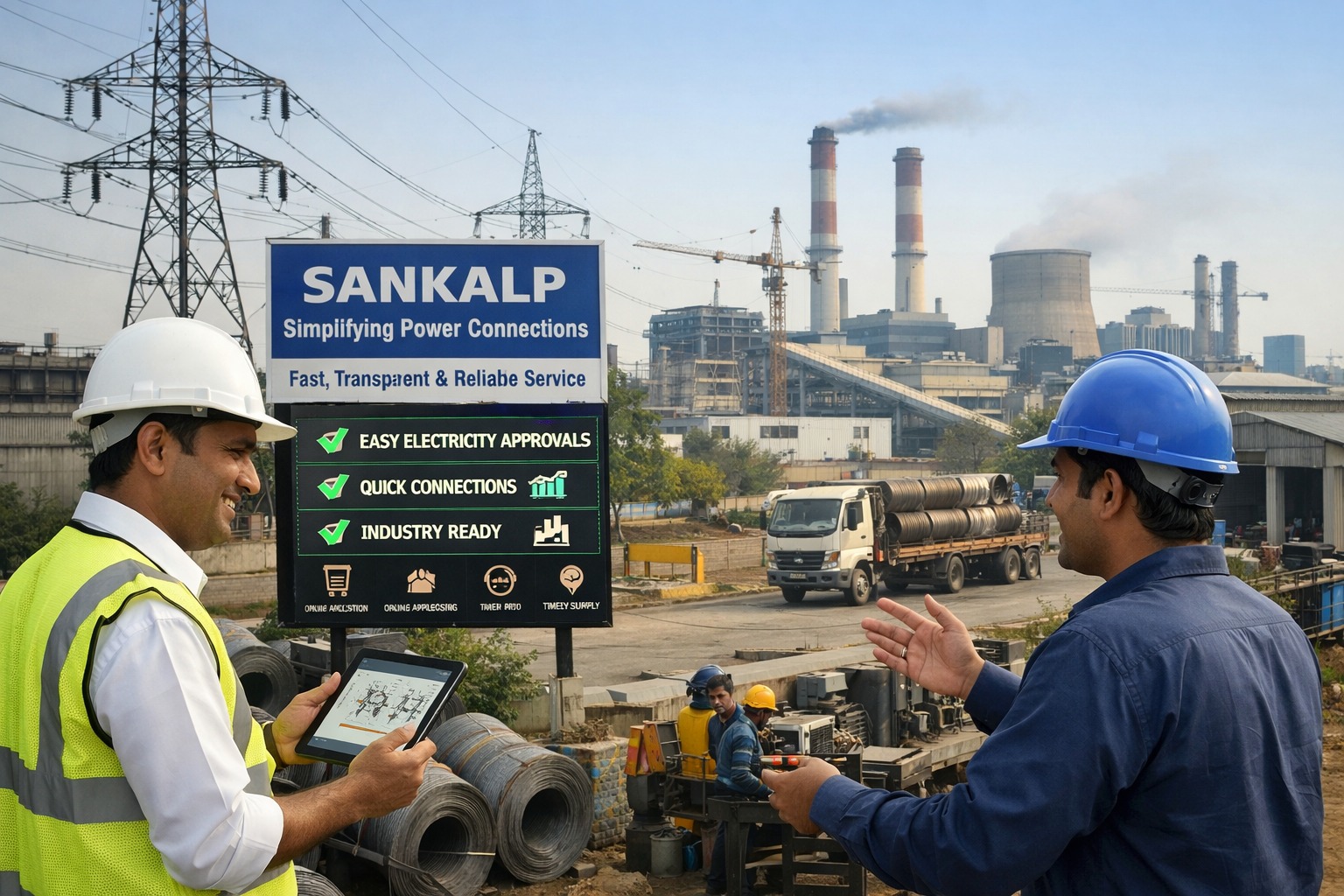
By simplifying and accelerating the electricity connection process, SANKALP has directly supported Madhya Pradesh’s Ease of Doing Business agenda and industrial development strategy. Electricity availability is a critical precondition for project commissioning, and delays in connections often translate into cost overruns and deferred investments. SANKALP has addressed this challenge by ensuring faster, transparent, and predictable access to power for industries and enterprises. The initiative has improved the overall investment climate by reducing procedural barriers and uncertainty associated with utility services. For new and expanding industries, SANKALP has emerged as a reliable digital interface that aligns infrastructure provisioning with investment timelines, thereby strengthening the state’s competitiveness as an industrial destination.
Institutionalization of a Scalable and Future-Ready Digital Service Framework
Beyond immediate operational improvements, SANKALP has established a scalable, modular, and future-ready digital service delivery framework within the power distribution sector. The platform’s architecture allows for continuous enhancement, policy alignment, and integration with emerging digital governance initiatives, ensuring long-term sustainability. By embedding accountability, traceability, and performance monitoring into routine service delivery, SANKALP has moved electricity connection services from a transaction-based approach to a governance-driven model. The initiative now serves as a replicable benchmark for other public utilities seeking to modernize complex service processes through technology-enabled institutional reform.