Large and Diverse Consumer Base with High Service Dependency

Madhya Pradesh has a vast and geographically dispersed electricity consumer base spread across urban cities, semi-urban towns, and rural habitations. Electricity services directly impact households, agriculture, industries, healthcare facilities, and small businesses, making uninterrupted supply and responsive service delivery critical. Any delay in addressing power outages, voltage issues, or billing disputes has immediate social and economic consequences for citizens. Managing grievances at this scale highlighted the limitations of traditional service delivery mechanisms. The diversity of consumer categories and geographic spread required a uniform, scalable, and easily accessible platform through which consumers could raise complaints and seek information without dependence on physical offices. This environment created the need for a centralized, citizen-friendly system that could operate continuously and serve all consumer segments equally.
Fragmented and Informal Complaint Handling Practices

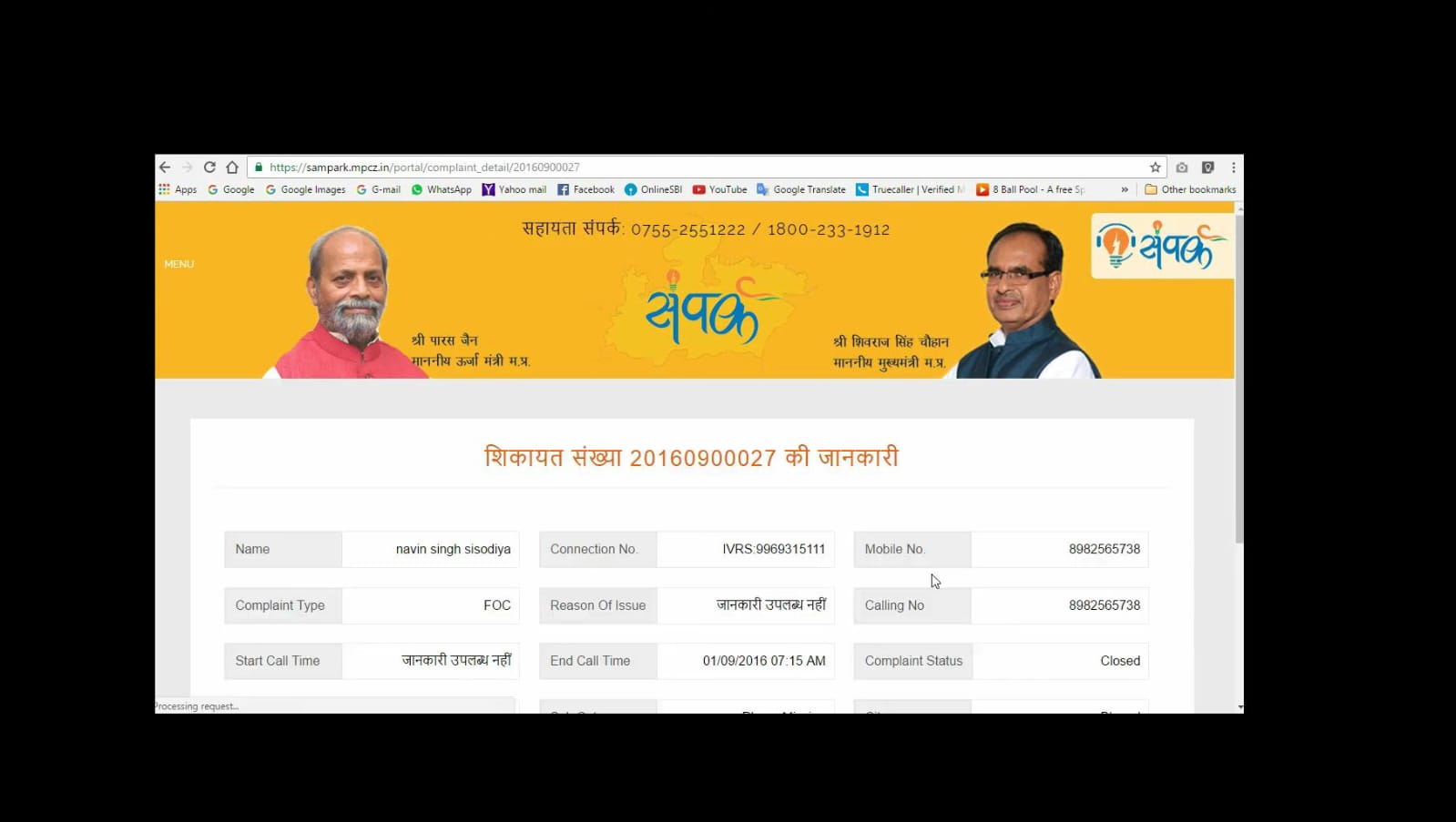
Before the implementation of SAMPARK, electricity-related complaints were received through multiple informal and decentralized channels such as local subdivision offices, personal phone calls, manual registers, and unstructured follow-ups. Each unit followed its own practices for registering and forwarding complaints, resulting in inconsistency and lack of standardization across the utility. This fragmentation caused delays in complaint registration, difficulty in tracking complaint status, and frequent duplication or loss of information. Consumers often had to repeatedly contact offices to know the status of their complaints, leading to frustration and dissatisfaction. The absence of a single, trusted complaint registration channel weakened confidence in the grievance redressal mechanism and highlighted the need for systemic reform
Limited Visibility, Monitoring, and Accountability
The absence of a centralized complaint management system restricted management’s ability to monitor complaint volumes, response times, and resolution efficiency across divisions and field units. Supervisory officers lacked real-time data on service performance, making it difficult to identify chronic problem areas, manpower gaps, or recurring network issues. Without defined escalation mechanisms and performance tracking, accountability for delayed or unresolved complaints remained weak. Field teams operated with limited oversight, and corrective action was largely reactive rather than proactive. This lack of transparency and monitoring capability constrained the utility’s ability to improve service standards and comply with regulatory expectations.
Need for a Citizen-Centric, Technology-Enabled Service Model

With increasing emphasis on digital governance, service quality benchmarks, and consumer rights, it became essential to shift from reactive complaint handling to a structured, citizen-centric service delivery model. Consumers expected round-the-clock accessibility, clear communication, and predictable resolution timelines for their grievances. MPMKVVCL therefore recognized the need for a centralized, technology-enabled platform that could integrate call centers, digital workflows, field operations, and supervisory controls into a single framework. This realization led to the conceptualization of SAMPARK as an institutional reform aimed at strengthening transparency, accountability, and responsiveness in electricity service delivery across the state

Citizen-Centric Service Governance Ideation

Comprehensive Integrated System Planning

Centralized Statewide Operational Execution

Sustainable Institutional and Improvement
Ideation: Conceptualizing a Citizen-First Service Governance Model
The ideation of SAMPARK was rooted in the recognition that electricity grievance redressal is not merely an operational function but a critical component of citizen trust and public service governance. MPMKVVCL identified the need to shift from fragmented, location-based complaint handling to a citizen-centric, state-wide service delivery framework that ensures accessibility, responsiveness, and accountability. The emphasis during ideation was on creating a system that could be easily accessed by all consumers, regardless of geography, digital literacy, or communication mode.
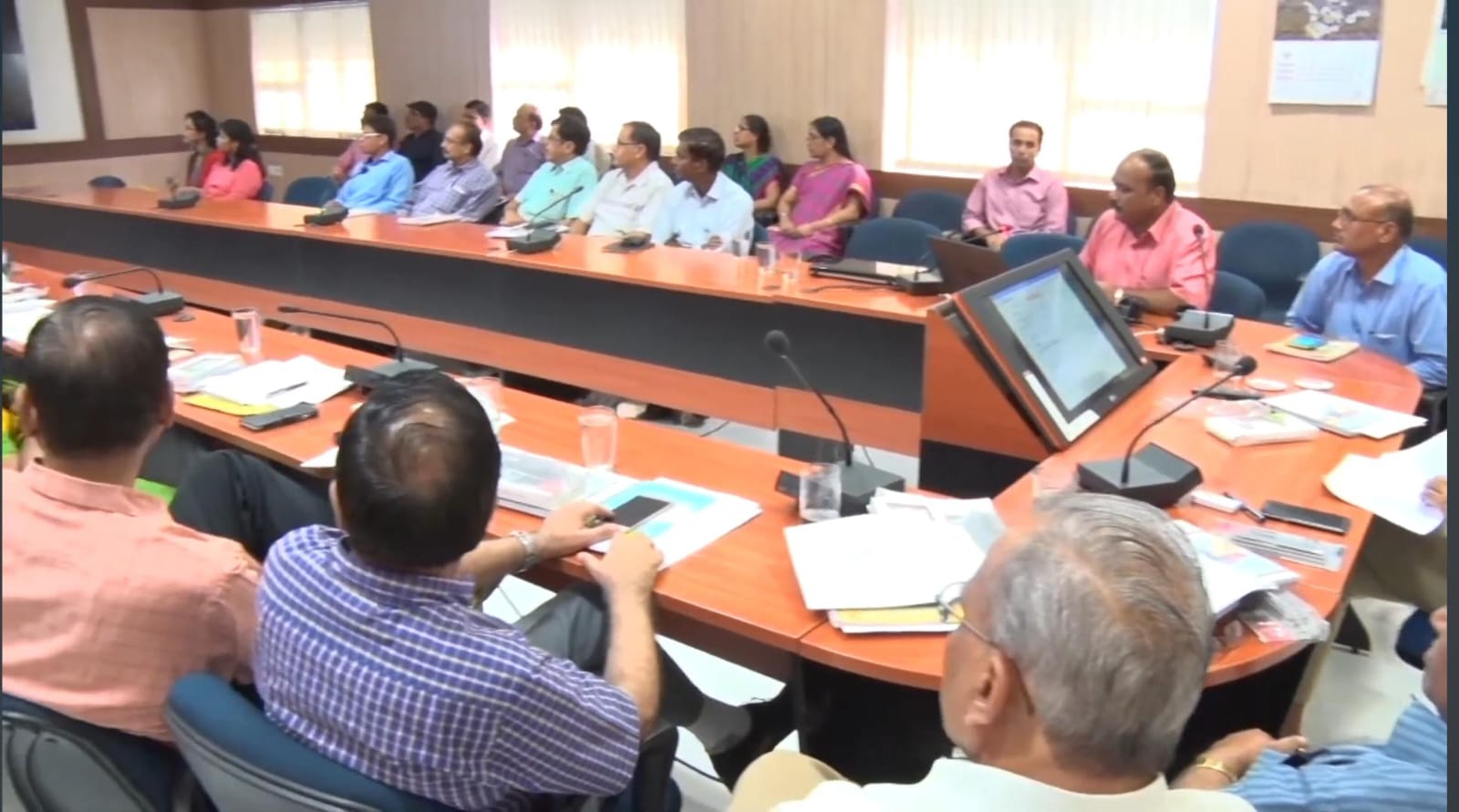
Extensive stakeholder consultations were conducted with call-center teams, field engineers, divisional officers, and supervisory staff to understand recurring service issues, complaint handling bottlenecks, and escalation gaps. These insights shaped the vision of SAMPARK as a centralized platform that not only registers complaints but also actively manages their lifecycle. The system was envisioned as an institutional reform to embed transparency, standardization, and proactive service management into the electricity distribution ecosystem.
Planning: Designing an Integrated and Scalable Architecture
During the planning phase, the conceptual vision was translated into a comprehensive system architecture and operational blueprint. All major categories of electricity-related complaints—including power supply disruptions, voltage fluctuations, billing discrepancies, meter faults, safety incidents, accidents, and electricity theft—were mapped into standardized digital workflows. Clear definitions were established for complaint categorization, priority levels, response timelines, and escalation triggers to ensure uniform handling across the state.
The planning also focused on seamless integration between citizen interfaces and internal operational systems. Call-center operations, field team deployment, asset and network information, shutdown management, and supervisory oversight were designed to function within a single connected framework. Scalability and resilience were key considerations, ensuring that the system could handle both routine service requests and sudden surges during outages, seasonal demand peaks, or emergency situations.
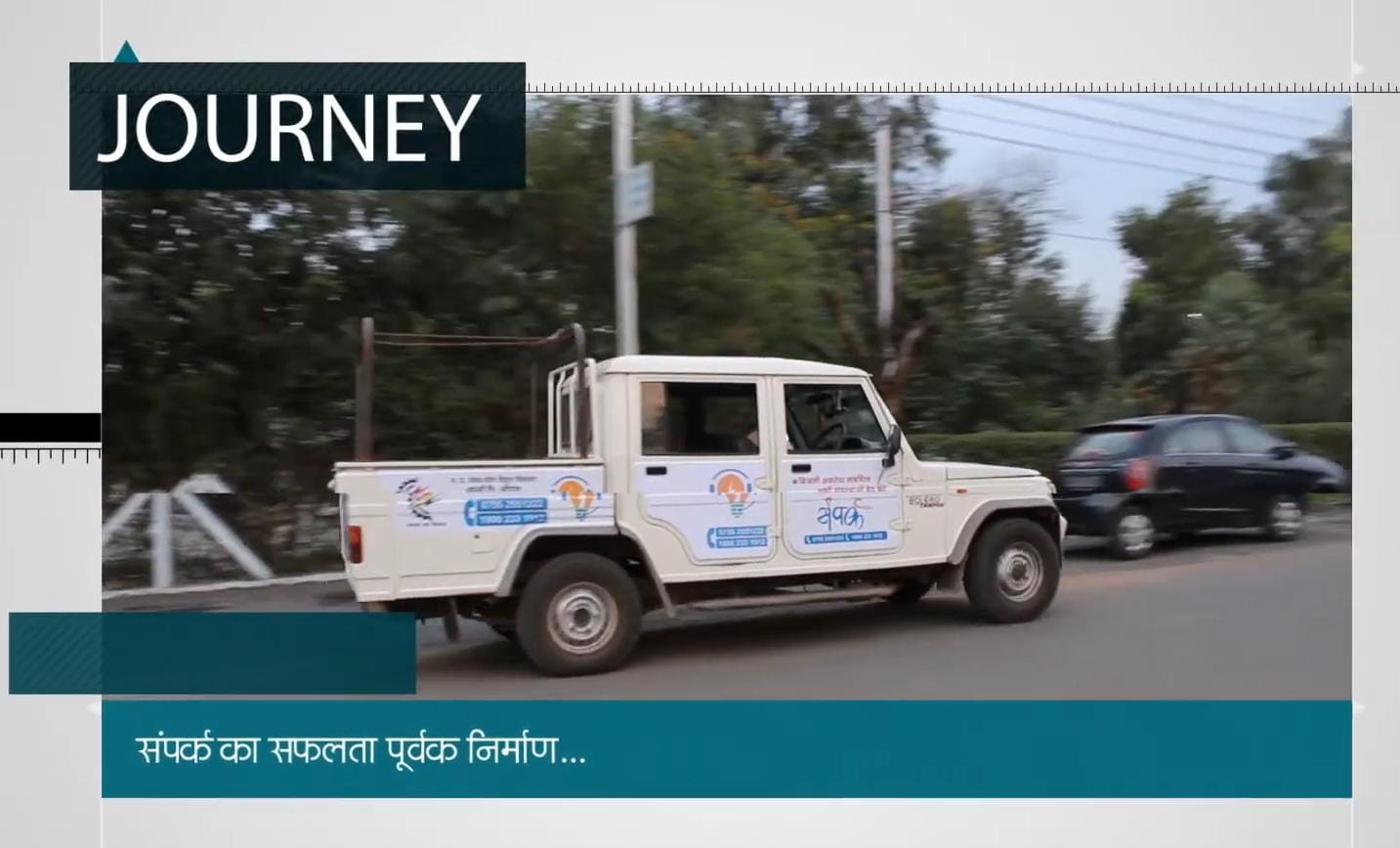
Execution: Statewide Rollout through Centralized Call Centers
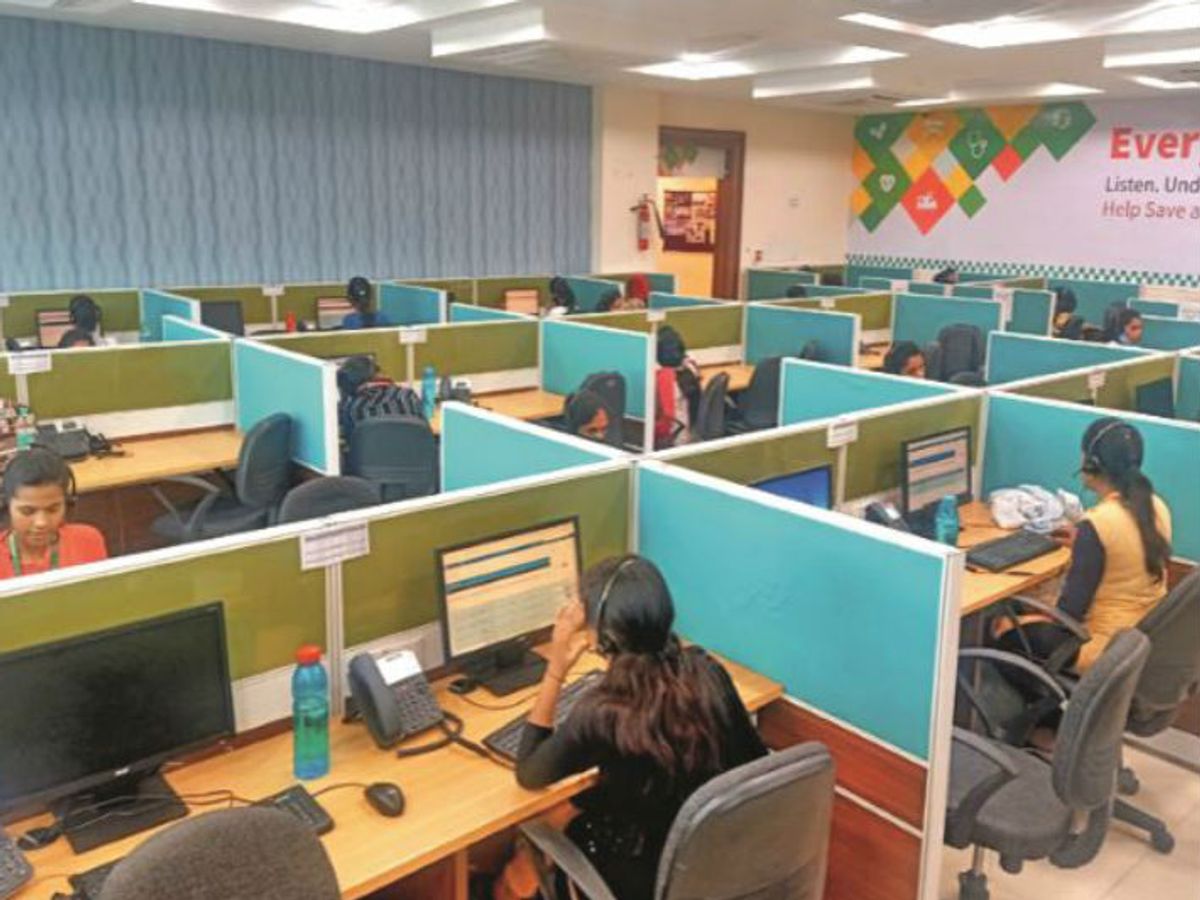
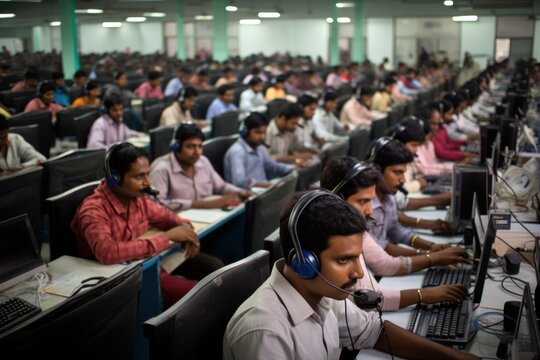
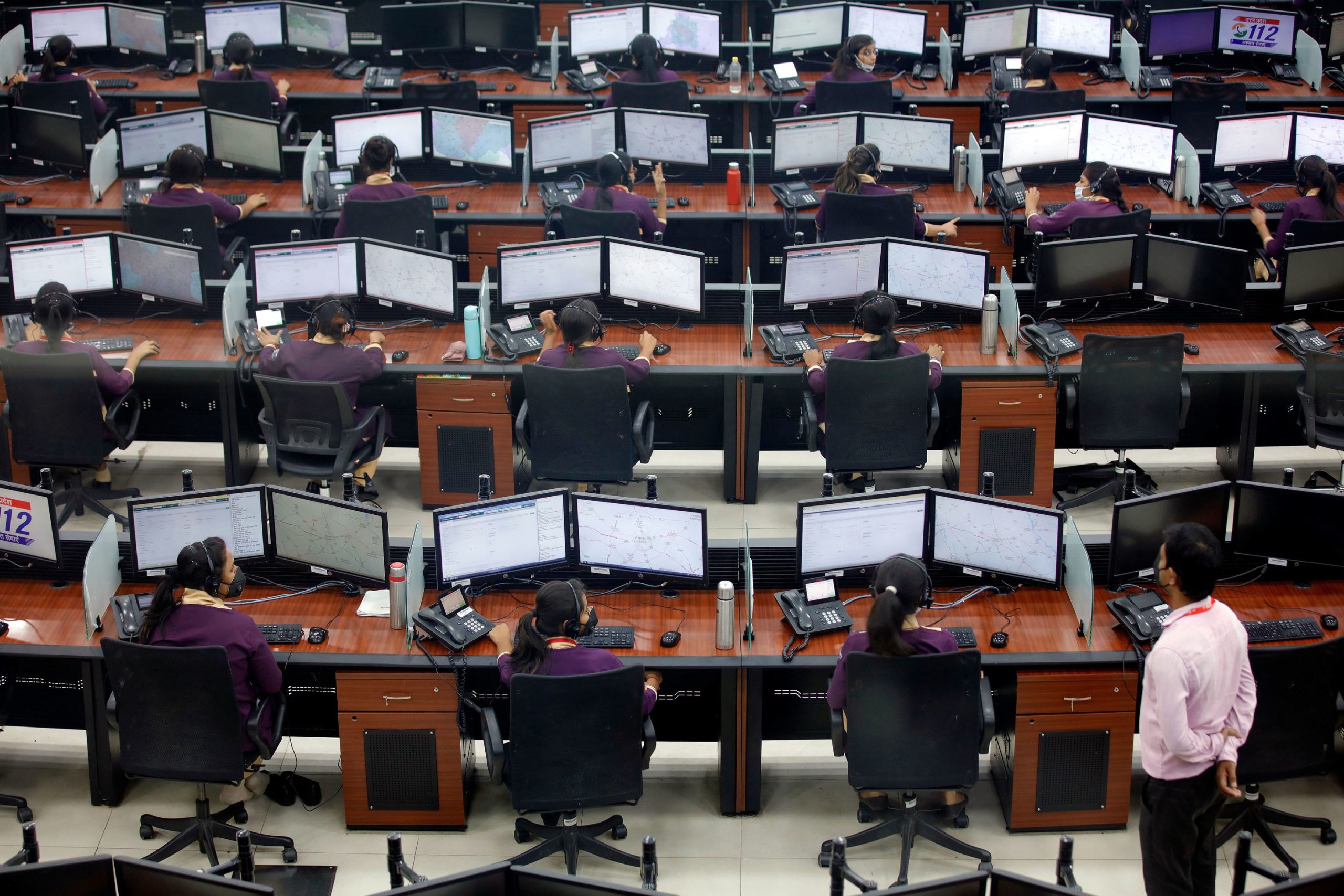
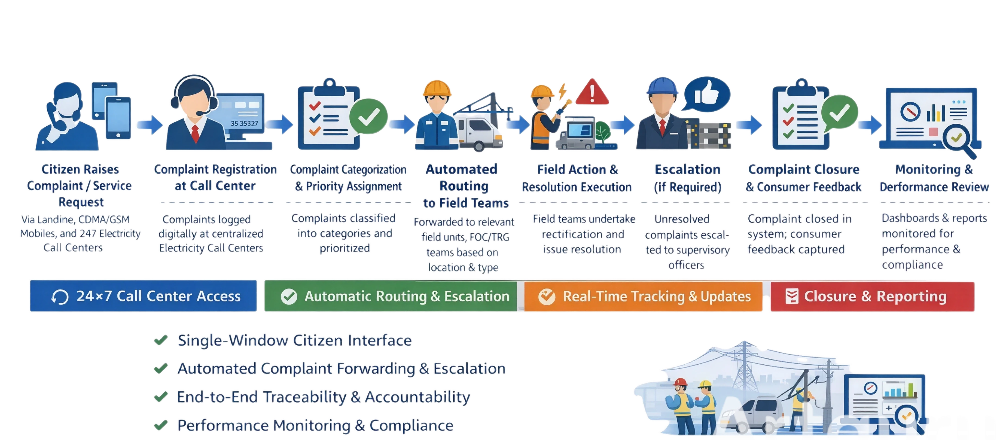
The execution phase involved the establishment of 24×7 Electricity Call Centers as the backbone of citizen interaction. Dedicated helpline numbers (0755-2551222 and 1800-233-1912) were operationalized to serve as the official channels for registering electricity-related complaints. Multiple communication modes—including landline and mobile (CDMA/GSM)—were enabled to ensure that citizens from all regions could easily access the service.
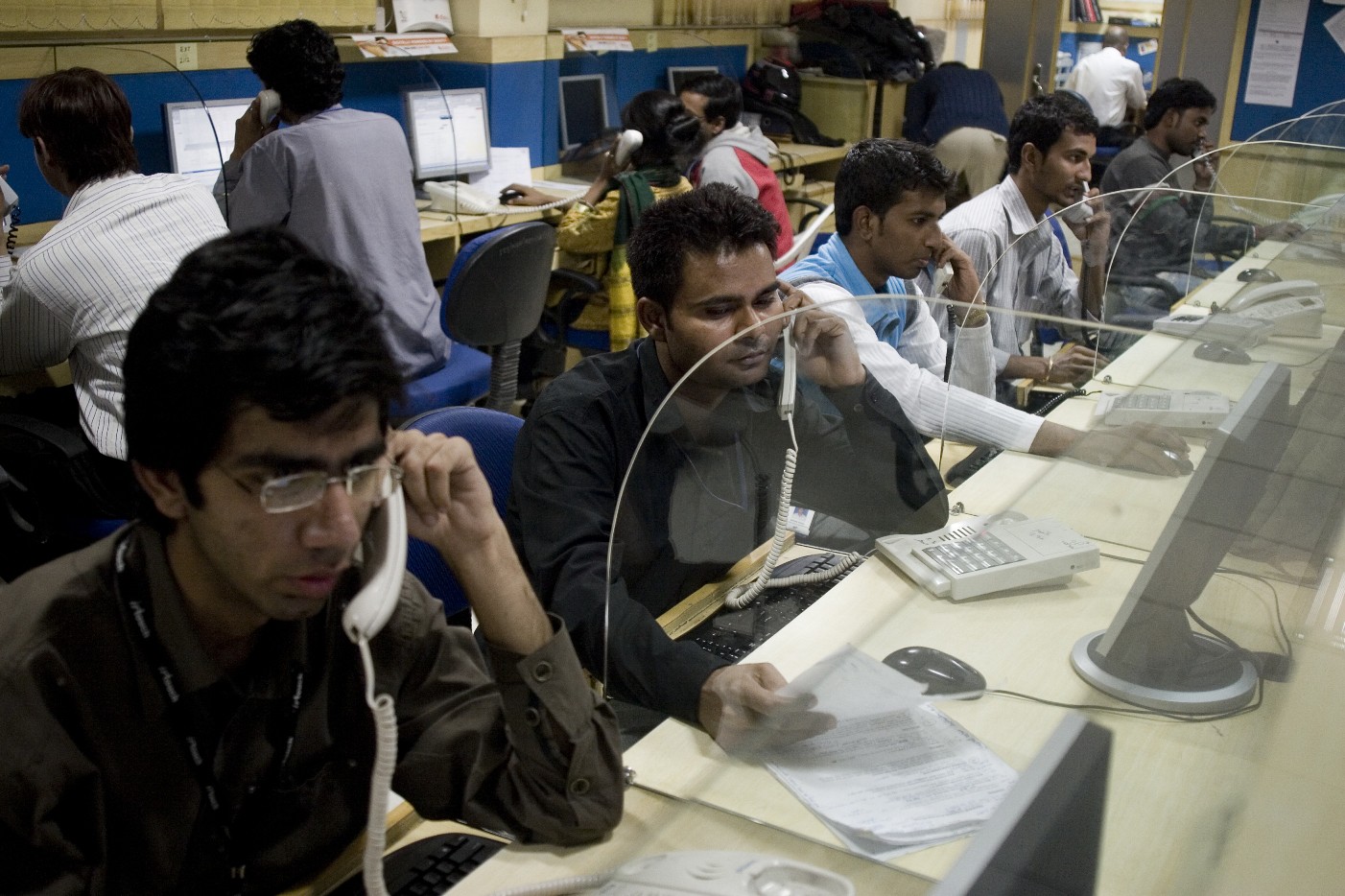
Complaints received through these channels were digitally logged into the SAMPARK system and automatically routed to the appropriate field units, FOC/TRG teams, or service providers based on location and complaint type. Comprehensive training and handholding were provided to call-center operators, field staff, and supervisory officers to ensure standardized data capture, consistent service response, and adherence to defined workflows. This coordinated execution ensured uniform adoption of the platform across all divisions and operational units.
Institutionalization, Monitoring, and Continuous Improvement
Following deployment, SAMPARK was formally institutionalized as the primary and mandatory grievance redressal system for electricity consumers under MPMKVVCL. Standard operating procedures were issued to govern complaint registration, response timelines, escalation, closure, and reporting. The platform was embedded into daily operational practices, replacing informal and parallel mechanisms.
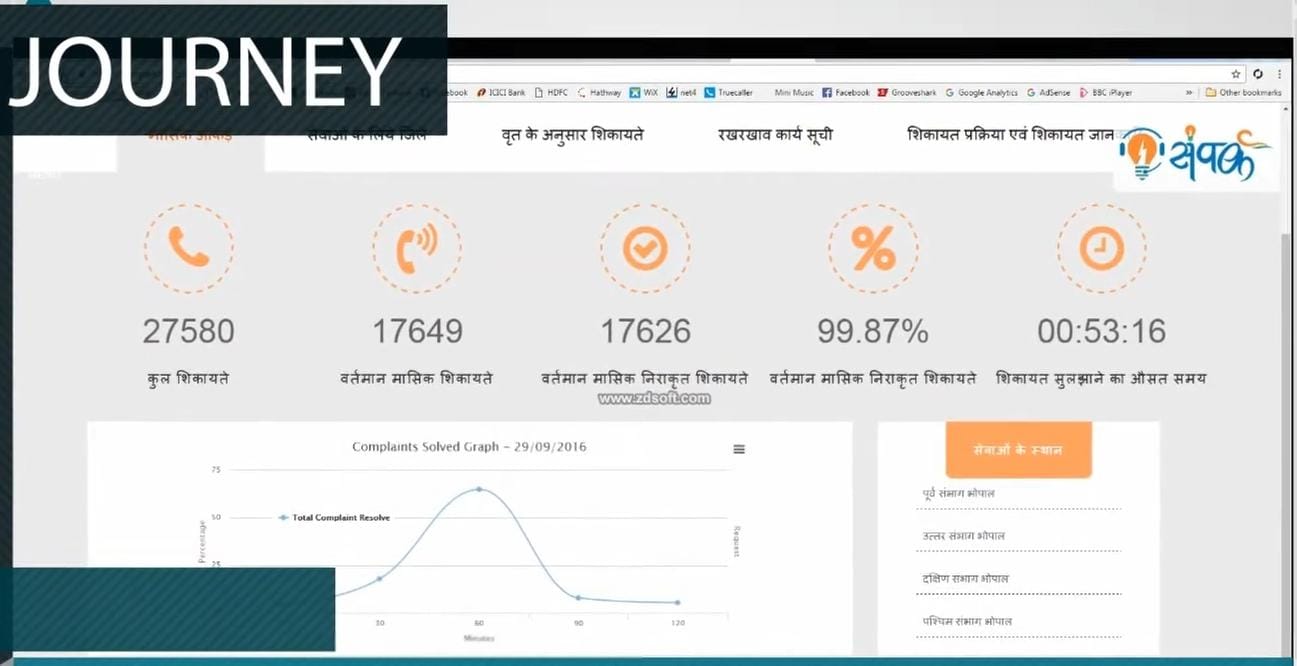
Real-time dashboards, MIS reports, and performance analytics enabled continuous monitoring of complaint volumes, response efficiency, and resolution effectiveness at divisional and state levels. This data-driven oversight supported proactive management, early identification of systemic issues, and informed decision-making. Over time, SAMPARK evolved into a stable and sustainable service governance platform, supporting improved regulatory compliance, enhanced consumer satisfaction, and long-term improvement in electricity service delivery across Madhya Pradesh.
Significant Improvement in Responsiveness and Service Timeliness
The implementation of SAMPARK has led to a marked improvement in the speed and reliability of electricity grievance redressal across Madhya Pradesh. With a centralized, 24×7 call center mechanism and multi-channel complaint registration, consumer grievances related to power supply interruptions, voltage issues, billing discrepancies, meter faults, and safety hazards are now logged in real time and routed immediately to the appropriate operational units. This has eliminated delays caused by manual forwarding and fragmented communication. Defined workflows, priority tagging, and structured response timelines have ensured that complaints are addressed in a predictable and systematic manner. As a result, the average time taken to initiate corrective action has reduced significantly, particularly during outages and peak demand periods. Consumers now experience faster resolution and reduced uncertainty, which has directly enhanced satisfaction with electricity services.
Enhanced Transparency and Strengthened Consumer Trust
SAMPARK has institutionalized transparency in grievance handling by creating a traceable and auditable complaint lifecycle. From the moment a complaint is registered, its status—assignment, action taken, escalation, and closure—is systematically recorded within the system. This structured tracking has reduced ambiguity and ensured that complaints are not lost or ignored within the operational process. This transparency has played a critical role in strengthening trust between electricity consumers and the utility. Consumers increasingly perceive grievance redressal as rule-based and accountable rather than discretionary. The consistent and visible handling of complaints has improved public confidence in Madhya Pradesh Madhya Kshetra Vidyut Vitaran Company Limited’s commitment to citizen-centric service delivery and responsive governance.

Improved Operational Efficiency and Managerial Oversight
From an organizational perspective, SAMPARK has delivered substantial gains in operational efficiency by integrating complaint intake with field execution, manpower deployment, and supervisory monitoring. Centralized dashboards and MIS reports provide management with real-time visibility into complaint volumes, response times, pendency levels, and regional performance patterns. This data-driven visibility enables informed decision-making and targeted interventions. Supervisory officers are now able to proactively identify bottlenecks, recurring network issues, and manpower constraints, allowing corrective actions to be taken before service quality deteriorates. During large-scale outages or emergency situations, the system supports coordinated response and better resource allocation, reducing operational stress and improving service continuity.

Institutionalization of Citizen-Centric and Accountable Service Governance
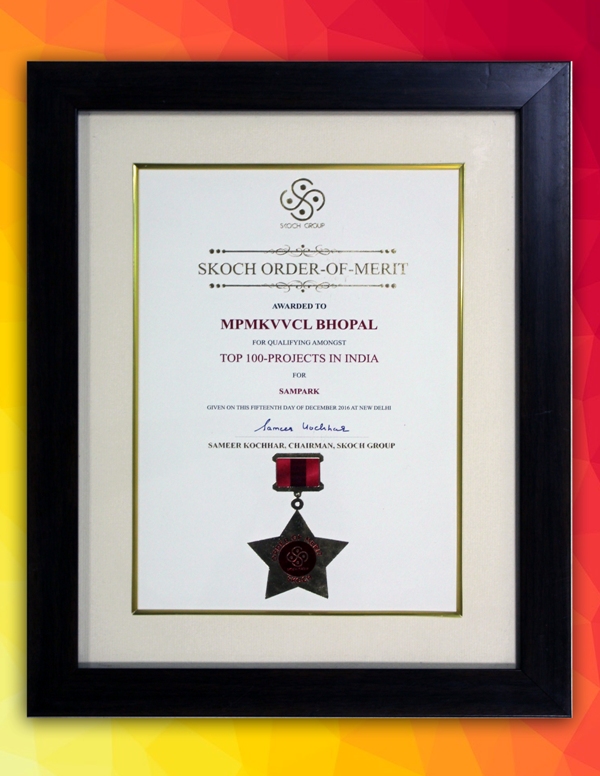
Beyond immediate operational benefits, SAMPARK has delivered long-term governance impact by embedding citizen grievance redressal into the core service delivery framework of the electricity distribution system. Informal, decentralized complaint handling practices have been replaced with standardized, technology-enabled processes aligned with regulatory expectations and service benchmarks. The platform has strengthened accountability through defined roles, escalation mechanisms, and performance monitoring, ensuring that grievance redressal is no longer person-dependent but system-driven. By institutionalizing transparency, responsiveness, and continuous monitoring, SAMPARK has created a sustainable foundation for improved service quality and is increasingly regarded as a best-practice model for citizen-centric governance in public utilities.